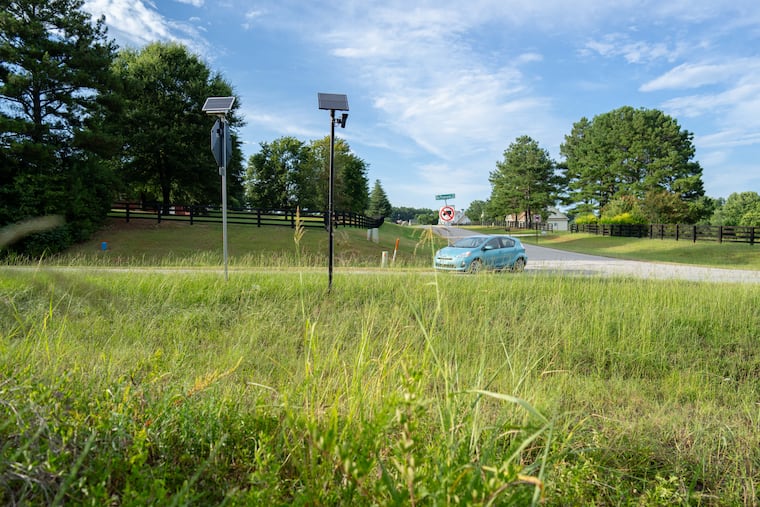
Flock announces new measures following report on police misuse of its surveillance network.
Flock Safety, a company known for its expansive network of automated license plate readers (ALPR), announced significant policy changes aimed at mitigating misuse of its technology by law enforcement authorities. This development follows recent scrutiny of abuse cases, where officers were reportedly accused or convicted of utilizing the system to stalk individuals and engage in unauthorized searches.
The company stated that it will now mandate police officers to label each search with a criminal case number, a measure previously left optional. Furthermore, Flock will implement automatic reviews of every search in a bid to identify abnormal activity—a feature that had only been activated by about one-third of the 7,000 law enforcement agencies using the technology.
These changes are noteworthy as they come in the wake of investigative reporting revealing incidents of at least 50 officers engaging in misconduct through the misuse of Flock’s system. The company’s proactive approach signals an acknowledgment of the need for greater accountability within law enforcement’s use of surveillance technology.
In addition to these changes, Flock will shorten the data retention period for license plate records from 30 days to seven days. Officers will also gain heightened agency control over how their data is shared with other law enforcement bodies. This newly established framework aims to provide municipalities the authority to outline specific conditions under which their data can be utilized, potentially preventing misuse for purposes such as immigration enforcement.
Flock’s chief executive, Garrett Langley, mentioned that the revisions reflect an adaptation of the company’s practices in response to the community’s needs. Historically, the company had hoped that local officials would voluntarily implement more stringent controls. However, the current climate has necessitated a more decisive action on the company’s part.
While experts in policing and civil liberties have welcomed these updates as strides toward improving accountability, questions remain regarding why such measures were not enforced sooner. Stakeholders have noted that some of these safeguards should be standard regulations rather than voluntary options offered to departments.
The implications of Flock’s updated policies may be significant. The company has installed over 120,000 ALPR cameras across the United States since 2017, with approximately 20 billion scans conducted monthly to assist in criminal investigations. As these changes unfold, advocates remain vigilant, advocating for ongoing oversight and additional reforms to ensure responsible use of surveillance technology.
Flock also plans to introduce a feature called Evidence Mode, allowing the preservation of license plate data beyond the standard retention period specifically for cases that require further investigation. Ultimately, the expanded functionality represents a critical shift in how law enforcement agencies can utilize advanced surveillance technologies responsibly while protecting civil liberties.
Langley confirmed that going forward, Flock would continue evaluating its policies, looking for ways to enhance operational transparency and accountability in law enforcement’s use of technology.