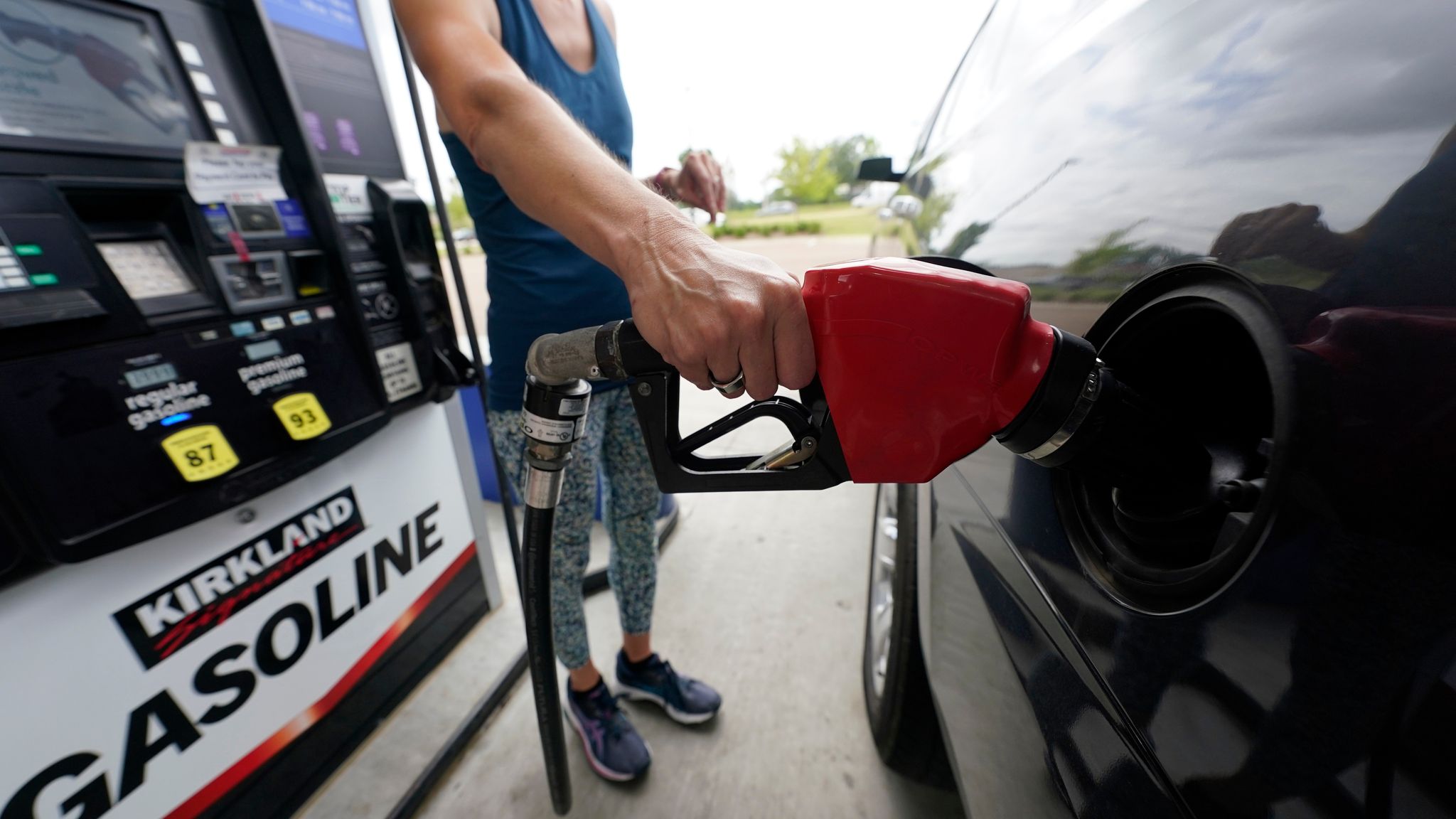
Gas prices in the U.S. drop below for the first time since March, though they remain 25% higher than a year ago.
U.S. gas prices have seen a notable decline, dipping below the per gallon mark on average for the first time since March. As of Thursday, the average price nationwide stands at .999, according to the American Automobile Association (AAA). This reduction follows a significant 15% drop in U.S. crude oil prices this month, a shift welcomed by consumers grappling with elevated fuel costs over the past several months.
The decrease in gasoline prices is partially attributed to geopolitical developments, notably the recent agreement signed by President Donald Trump with Iran. This accord requires Iran to reduce its stockpile of highly enriched uranium and allows for the lifting of certain U.S.-backed sanctions on the country. While the agreement is seen to bring some immediate benefits to Iran, it has also raised questions about its long-term implications for U.S. interests in the region.
Despite the average nationwide price falling below the critical threshold, disparities in gasoline costs persist across the United States. California continues to experience some of the highest prices, averaging .64 per gallon, while drivers in South Carolina benefit from significantly lower rates at .58 per gallon. Such variations underscore the localized nature of fuel pricing, influenced by factors such as state taxes, distribution costs, and regional supply constraints.
Moreover, oil prices have been fluctuating, currently pegged at about per barrel for U.S. benchmark crude. This figure represents a stark contrast to prices prior to the conflict, which hovered around per barrel, and the peak of over 0 per barrel observed earlier in the geopolitical unrest.
However, the recovery of oil supplies and a stabilization of gas prices may still be a protracted process. It is anticipated that the resumption of oil flow through the Strait of Hormuz, a crucial waterway responsible for transporting a fifth of the world’s crude oil, will take time. Hundreds of vessels remain stranded in the Persian Gulf, and Gulf oil producers, having reduced output, will need to gradually restore production levels. Additionally, the threat of Iranian attacks remains a concern, causing shipping captains to weigh their options carefully regarding safe passage.
The ripple effects of the conflict and the current state of oil prices are also affecting various industries beyond transportation, with disruptions in supply chains for essentials such as fertilizer, food, and other consumer goods. As businesses face increased operational costs, consumers may experience prolonged higher pricing, underscoring the interconnected nature of energy markets and the broader economy.
As developments unfold, the outlook for gas prices remains uncertain, necessitating close monitoring of global oil production trends and geopolitical dynamics.