
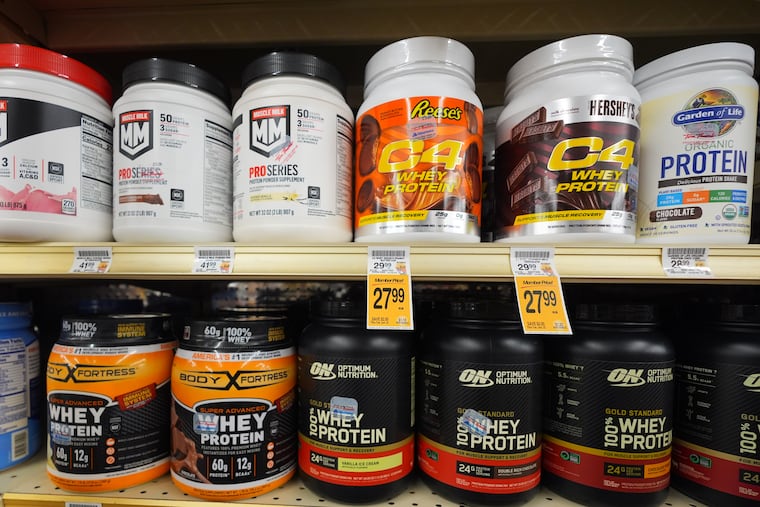
Global demand for high-protein products rises, but whey supply struggles to meet the increasing needs.
The demand for protein among global consumers continues to escalate, yet the dairy industry faces significant challenges in meeting this demand. Athletes and aging populations have long relied on whey protein concentrate—derived from cheese production—to support muscle growth and maintenance. However, food manufacturers are increasingly incorporating this protein source across a diverse range of products, including breakfast cereals, snack foods, and beverages like those offered by Starbucks. This surge in consumer interest has resulted in a significant increase in the number of food products advertising beefed-up protein content, with recent data indicating that supermarkets now stock an average of nearly 39,000 items promoting their protein levels.
The robust appetite for protein has outstripped supply, leading to record prices for food-grade whey protein. Industry experts note that this demand is not only keeping pace but is also growing more rapidly than existing supplies. As a result, wholesale costs for whey protein began ascending in 2024, with substantial increases noted over the past year. Whey protein concentrate containing 80 percent protein is now trading at over per pound, marking a staggering 250 percent price inflation compared to the previous year. Similarly, the more refined whey protein isolate, which comprises at least 90 percent protein, has become 150 percent more expensive over the same period.
The rising costs are manifesting in the retail sector, where average prices for whey protein concentrate powder have climbed by approximately 15 percent in the past year. In Europe, the situation mirrors that of the United States, with the price for 80 percent whey protein concentrate recently peaking at 26,450 euros per metric ton—more than double what it was less than a year ago.
The reduced availability of whey protein in the U.S. is affected by the high domestic demand for high-protein foods. Exports of whey protein to countries like China have seen a dramatic decline, with shipments falling by 47 percent compared to last year. This domestic preference for whey protein is further compounded by an increase in the use of GLP-1 weight-loss drugs, which have significantly created additional demand for high-protein dietary options.
Manufacturers are taking note of these trends, with some raising retail prices for protein-enriched products while exploring alternatives that might be less costly. While the long-term outlook for whey protein production appears promising, as companies invest in increasing supply, the anticipated relief in protein shortages may not occur for several years. In the interim, economic pressures could lead to a decrease in retail demand, which might eventually help stabilize prices within the market.
The evolving dynamics within the protein sector highlight a complex interplay of rising consumer expectations and fluctuating supply constraints, making the landscape for dairy protein increasingly challenging to navigate in the foreseeable future.


