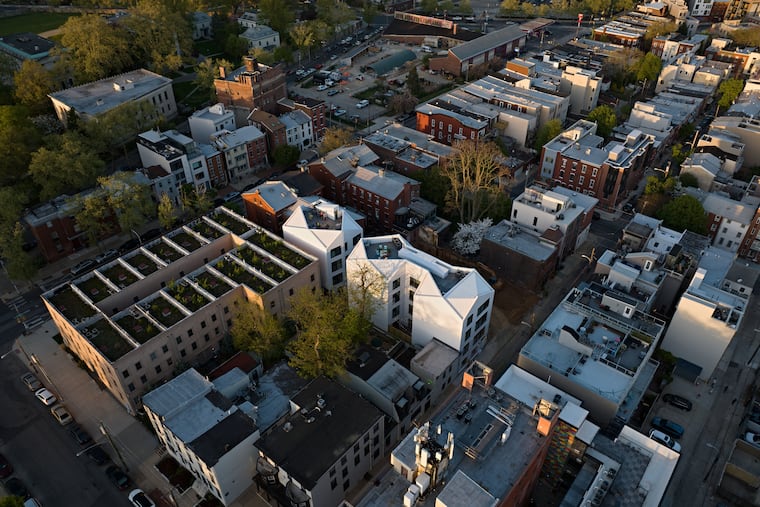
Historic preservation plays a vital role in the housing affordability debate, countering misconceptions about its impact on housing availability.
Philadelphia, a city renowned for its rich historical significance, faces increasing challenges surrounding the preservation of its architectural heritage. As preparations intensify for the upcoming celebration of the nation’s 250th anniversary, the preservation movement has been thrown into turmoil. This disarray was highlighted by a recent ruling from a Court of Common Pleas judge, which invalidated the historic district established in 2024 for Washington Square West, a neighborhood celebrated for its Colonial-era structures and noteworthy cornerstones from the urban renewal efforts of the 1960s.
Judge Christopher R. Hall’s decision, primarily rooted in procedural disputes, has raised concerns among advocates for historical preservation who argue that this ruling poses a threat to the safeguards established over the past four decades. If appealed, the decision could still be overturned, providing a potential lifeline for the preservation efforts in a city often touted as America’s most historic large city.
The implications of this ruling extend to other districts as well. Notably, developers are now emboldened to challenge the integrity of the Spruce Hill historic district, another area designated for protection just last year. Furthermore, Councilmember Mark Squilla has shifted from being a preservation supporter to advocating for legislation that critics claim could significantly weaken the powers of the Historical Commission.
As concerns about rising housing costs permeate discussions in Philadelphia, there is a growing narrative linking historic preservation laws to the scarcity of affordable housing. Proponents of development assert that these regulations add unnecessary layers of bureaucracy that inhibit building opportunities and exacerbate maintenance costs. However, a nuanced examination reveals that many factors influence the housing landscape, from zoning and interest rates to supply chain issues and labor market constraints.
Recent research conducted by the Preservation Alliance emphasizes that renting apartments in older buildings tends to be more affordable than properties in newer constructions, reinforcing the idea that preserving such structures contributes to the availability of naturally occurring affordable housing. A study conducted by Place Economics points to evidence that historic districts attract new residents and experience growth far exceeding that of the broader city population.
The role of older, traditionally styled buildings is crucial in this context, particularly as Philadelphia adapts to increasing housing demands. While the city has historically focused on converting obsolete manufacturing spaces into residential units, there is a pressing need to evaluate how preservation laws can facilitate increased housing density within the existing stock of smaller, irregularly shaped historic buildings.
Architectural innovation has emerged as developers explore converting townhouses into multifamily residences. Award-winning firms are leading efforts to transform historic structures into modern living spaces while maintaining their architectural integrity. Such endeavors are often labor-intensive but uphold a sustainable approach to construction by minimizing resource use.
In examining the intersection of preservation and development, the challenges of repurposing historic buildings become evident. While some projects encounter resistance from historical regulators and local stakeholders, successful conversions demonstrate the feasibility of creating additional housing units without compromising the area’s historic character. Philadelphia’s approach to balancing these interests will greatly influence its urban landscape and affordability in the years to come, marking an essential chapter in the city’s ongoing journey of development and preservation.
In this evolving dialogue around housing, historic preservation emerges not solely as a barrier but as a potential catalyst for innovative solutions to address the dual challenges of heritage conservation and the need for affordable living options. As the debate continues, Philadelphia stands at a crossroads that may redefine its architectural narrative and housing future as it embraces its role in commemorating the nation’s history.
Media News Source.