
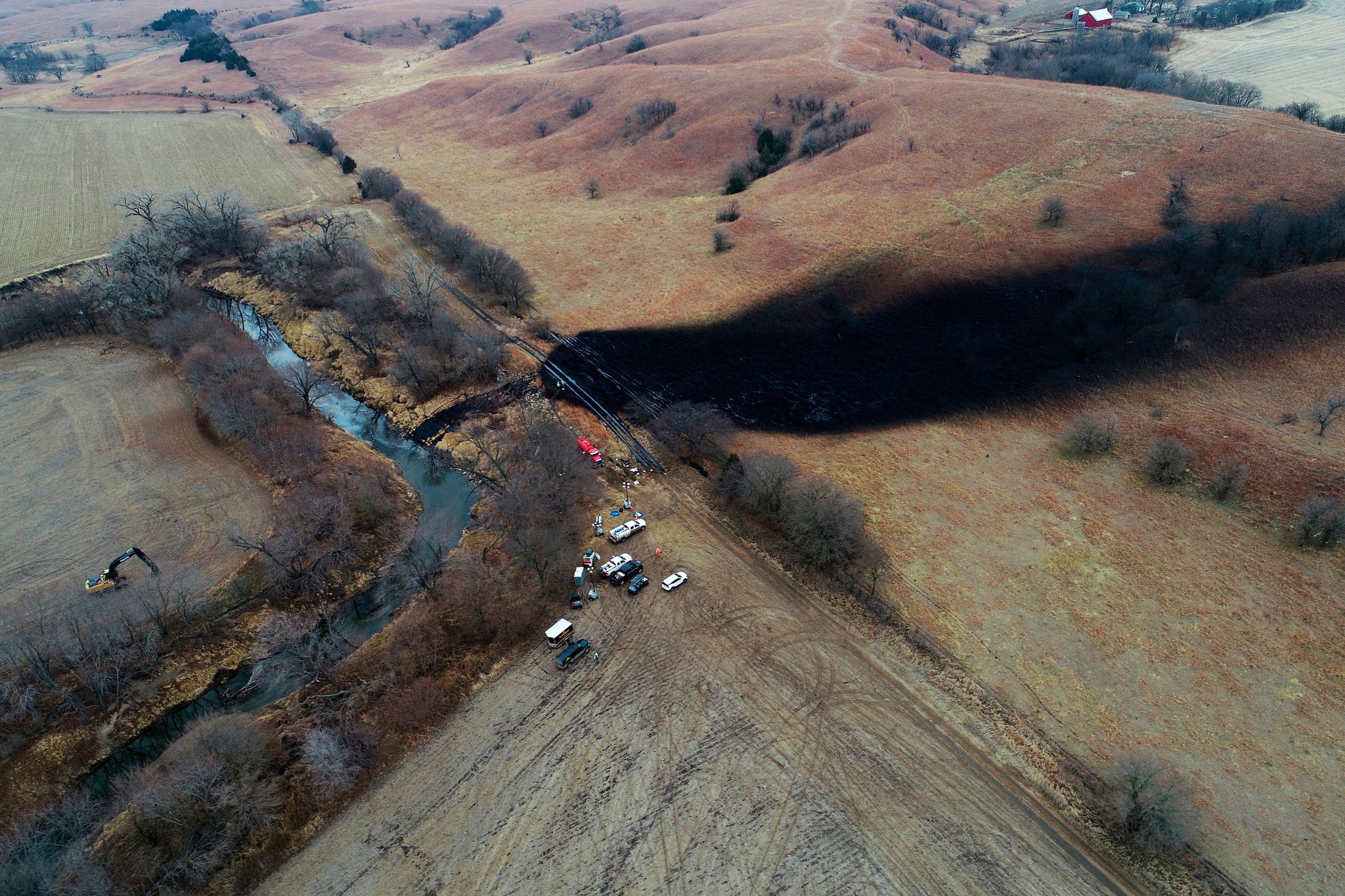
Keystone Pipeline operator to pay .9 million penalty for significant oil spill in Kansas.
A proposed legal settlement between the operator of the Keystone Pipeline system and the U.S. government is poised to address significant environmental misconduct stemming from a major oil spill in Kansas that occurred in December 2022. The settlement could impose a civil penalty of .9 million on South Bow, the operator, along with an additional investment of approximately million aimed at bolstering safety measures to avert similar incidents in the future.
This agreement arises from allegations made by the U.S. Environmental Protection Agency (EPA) and the state of Kansas, asserting that South Bow violated both federal and state clean water regulations. The incident resulted in the release of nearly 13,000 barrels of heavy crude oil into a creek located in Washington County, Kansas, approximately 150 miles northwest of Kansas City. The spill has been classified as the largest onshore crude oil pipeline accident in the United States in nearly a decade, surpassing a cumulative total of 22 prior spills from the same pipeline system. The volume of oil released is said to be substantial enough to almost fill an Olympic-sized swimming pool.
In addition to the civil penalties, the proposed settlement stipulates that South Bow will pay over million to Kansas for environmental restoration initiatives. The agreement was filed in U.S. District Court in Kansas, where it awaits judicial approval following a 30-day public comment period.
As stated by EPA officials, the ecological damage inflicted by the spill was severe, rendering impacted waterways lifeless and requiring extensive cleanup efforts. The EPA’s assistant administrator emphasized that the proposed monetary penalties correspond to the severe environmental consequences of the incident.
While South Bow representatives did not respond to inquiries regarding the matter, they indicated to other news outlets that they had initiated cleanup efforts proactively, prior to receiving guidance from U.S. government officials. That cleanup is expected to reach completion early in 2024.
Notably, the Keystone Pipeline, which spans 2,689 miles, transports thick tar sands oil from Canada to refineries in Illinois, Oklahoma, and Texas. The company that initially constructed the pipeline, TC Energy, spun off South Bow into a separate entity in 2024 after completing the cleanup operations. Despite there being no reported injuries to pipeline workers or local residents, the spill did result in significant harm to animal populations, including over 2,700 animals harmed or killed, and threatened local wildlife, such as the endangered long-eared bat.
In investigations that preceded this settlement, engineering assessments revealed that the infrastructure surrounding the site of the spill had been “overstressed” since the pipe’s installation in December 2010, attributed to construction activities in the vicinity. Notably, governmental findings pointed to issues related to the soil compaction under the pipeline, suggesting that inadequate measures were taken to maintain the pipeline’s integrity.
The recent developments in the Keystone Pipeline situation underscore ongoing concerns about the environmental impact of energy transportation systems and the regulatory frameworks that govern them.


