Local small businesses face affordability challenges and are finding ways to adapt and survive.
Recent reports indicate that a significant segment of small- and midsize-business owners has a distinctly pessimistic view of the current economic landscape in the United States. A survey conducted by Nationwide, which included responses from 800 business owners, revealed that nearly 50% rated the economy as “poor” or “fair.” The primary concerns cited by these entrepreneurs include inflation, elevated interest rates, and an overarching fear of a potential recession.
In light of these economic challenges, many local businesses are taking strategic steps to navigate tough conditions. A notable approach has been rigorous monitoring of expenses. Carley Razzi, president of Penns Woods Winery, explained that her operations have become increasingly disciplined, focusing on renegotiating vendor contracts and making bulk purchases whenever feasible. To further optimize costs, her business has adopted collaborative shipping practices with other suppliers.
Another response to the economic strain involves adjusting physical space requirements. Shaw Lewis, owner of Expect Lace, a lingerie boutique in Manayunk, indicated that downsizing to a smaller retail space has helped reduce rent and operational expenses. Concurrently, Lewis has refined the store’s inventory, demonstrating a commitment to more strategic purchasing decisions.
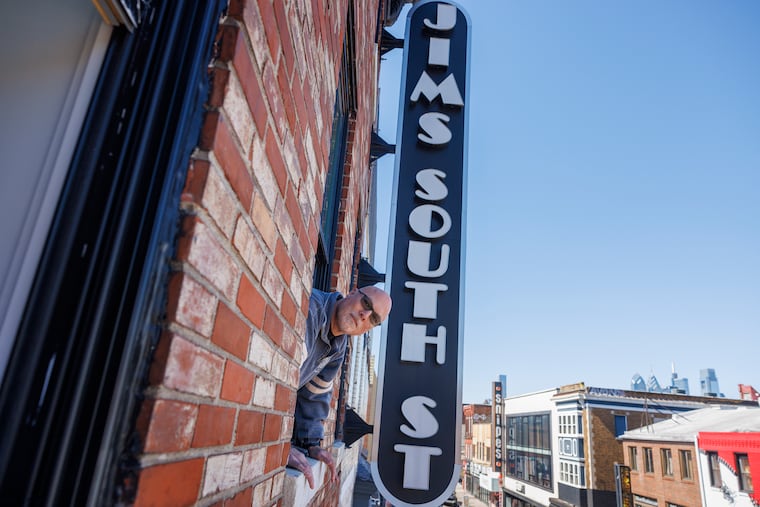
While cost-saving measures are essential, business owners like Ken Silver of Jim’s Steaks recognize that price increases may be unavoidable in the quest for profitability. Silver, who meticulously tracks overheads, acknowledges that every small expense adds up and directly impacts the bottom line. Hector Serrano, owner of the Boricua Restaurant in Philadelphia, echoes this sentiment, explaining that he is reluctant to raise prices but feels compelled to do so in order to remain financially viable.
Some business owners are adopting technology solutions to enhance efficiency and cost management. Charrita Jones of Senoj Clothing in Philadelphia perceives the potential of artificial intelligence and other digital tools to streamline operations and improve productivity. However, many still regard the initial investment in such technologies as a barrier to entry.
Moreover, businesses are focusing on customer relations to ensure retention and loyalty. Initiatives such as community engagement, promotions, and diversification of service offerings are becoming increasingly common. Jim’s Steaks has ventured into catering and event hosting to tap into new revenue streams, showcasing adaptability in a challenging market.
Finally, many small business owners emphasize the importance of retaining their workforce. Despite rising costs, they are prioritizing employee compensation and benefits, often at the expense of their own salaries. The expectation from today’s workforce for health insurance, flexible schedules, and retirement benefits has made it imperative for employers to find ways to balance these expenses with the need for revenue growth.
In an environment characterized by economic uncertainty, small- and midsize-business owners display resilience through strategic adjustments, innovation, and a commitment to their employees. It remains to be seen how these adaptations will impact their long-term sustainability and success in a fluctuating market.
Media News Source