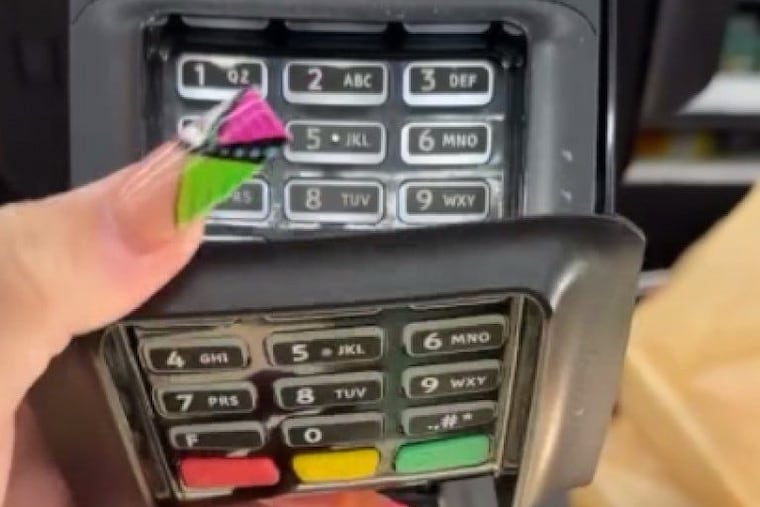
New Jersey and Pennsylvania implement chip cards for SNAP benefits to enhance security and reduce theft.
In a significant move to combat the growing problem of EBT skimming, New Jersey and Pennsylvania are set to implement enhancements to their Supplemental Nutrition Assistance Program (SNAP) benefit distribution systems. Both states are transitioning to chip-enabled EBT cards, a necessary upgrade to counteract a crisis that has increasingly affected vulnerable populations.
New Jersey has initiated a pilot program that began this summer, focusing on a four-week trial period to introduce chip-enabled EBT cards. This initiative is spearheaded by the New Jersey Department of Human Services and will first reach participants in Cumberland, Essex, and Mercer Counties, along with individuals who require replacement cards. The new cards replace outdated magnetic stripe technology, which has proven susceptible to fraudsters who seek to steal SNAP benefits.
Pennsylvania mirrors this undertaking, allocating million from its latest budget to facilitate the introduction of chip technology as part of a broader strategy to mitigate benefits theft by criminals. The federal government will match this funding, bringing the total investment to million for transitioning to the new card system, which is anticipated to be completed by January 1, 2028. A detailed distribution timeline is currently being developed by state officials, with implementation expected to take between six to eight months.
The necessity for this transition has been emphasized by government advocates and watchdog organizations, who argue that the current magnetic stripe cards do not offer adequate protection against skimming tactics. These tactics often involve attaching covert devices to point-of-sale terminals to duplicate card information, enabling scams that lead to lost benefits across different states. The burden of safeguarding these benefits has largely fallen on the recipients themselves, who must download applications to secure their cards until they are ready to make a purchase.
Advocacy groups have expressed urgency in adopting these chip cards. Louise Hayes, an attorney at Community Legal Services, pointed out that the change will serve as a critical security measure against international fraud networks targeting SNAP recipients. Currently, support for victims of EBT fraud remains limited, further placing strain on households that have already faced financial difficulties.
The impact of EBT skimming has been profound, with estimates indicating that Pennsylvania alone reported over 5,100 skimming cases in a recent five-month period, translating to .5 million in stolen benefits. Meanwhile, New Jersey is believed to be underreporting the full extent of the fraudulent thefts due to a lack of compensation from the federal government.
As other states like California, Massachusetts, and Oklahoma take steps to implement similar chip card solutions, New York has recently announced its plans for a distribution rollout in early 2027. Collectively, these measures represent a concerted effort to fortify SNAP benefits against modern hacking tactics, ensuring that essential resources reach those in need without interference from criminal activity.
Media News Source.