US to implement 25% tariff on select Brazilian imports beginning July 22 due to concerns over unfair trade practices.
The United States has officially instituted a 25% tariff on imports from Brazil, following the conclusion of a yearlong investigation by the Office of the U.S. Trade Representative (USTR). This measure, set to take effect on July 22, aims to address a variety of trade practices that U.S. officials have classified as unfair, impacting one of the world’s largest economies.
The tariff decision arises after a comprehensive assessment that underscored Brazil’s inadequate enforcement of anti-corruption measures and the imposition of its own unfair tariffs. Despite these findings, the U.S. has maintained a goods trade surplus with Brazil for multiple years, reflecting the complexities of the bilateral trade relationship.
Certain products have been exempted from the tariffs to mitigate potential disruptions to supply chains. Exempt items include staples such as coffee, beef, oranges, and orange juice, along with certain oil, gas energy products, and aerospace components. This targeted approach indicates an intention to safeguard both American consumers and industries while addressing the perceived inequities in trade practices.
U.S. Trade Representative Jamieson Greer emphasized the importance of this action in creating equitable conditions for American workers and businesses. He indicated that extensive negotiations with Brazil had not yielded satisfactory resolutions, but expressed a willingness to continue discussions aimed at fostering essential changes in trade policies.
Brazilian President Luiz Inácio Lula da Silva has responded with indignation to the United States’ decision. He has attributed the turmoil in trade relations to political motivations and has criticized the U.S. approach, pointing a finger at his electoral rival, Senator Flávio Bolsonaro, whose recent trip to Washington has raised concerns about his influence.
Further complicating the matter, Secretary of State Marco Rubio remarked on social media that the current U.S. administration’s decision is a consequence of Brazil’s failure to engage in good faith negotiations. He characterized President Lula’s policies as detrimental to both American and Brazilian interests, suggesting personal ego has impeded productive dialogue for the welfare of the Brazilian populace.
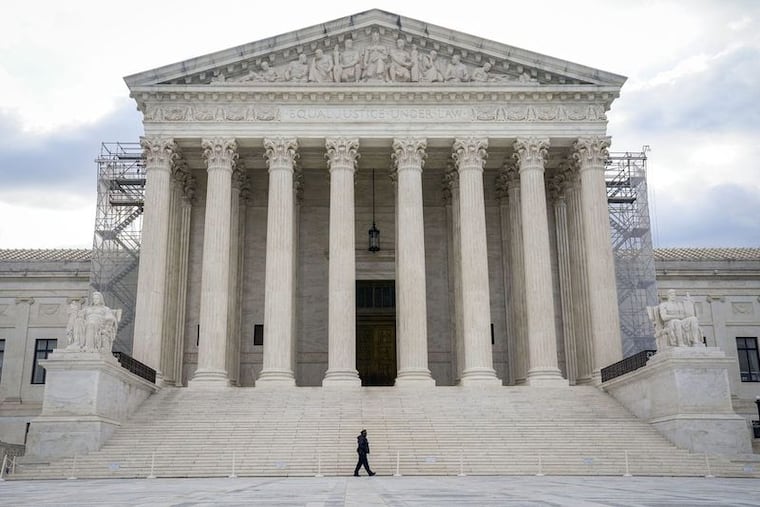
The tariffs are being enacted under Section 301 of the Trade Act of 1974, empowering the U.S. to take such actions in response to unfair trade practices. Notably, the U.S. Supreme Court recently ruled against former President Donald Trump’s tariffs on Brazil, suggesting the past administration may have overstepped its authority in managing international economic relations.
As the U.S. and Brazil navigate this escalating trade situation, the ramifications for both economies could be significant, with the potential to affect various sectors and influence future diplomatic engagements.