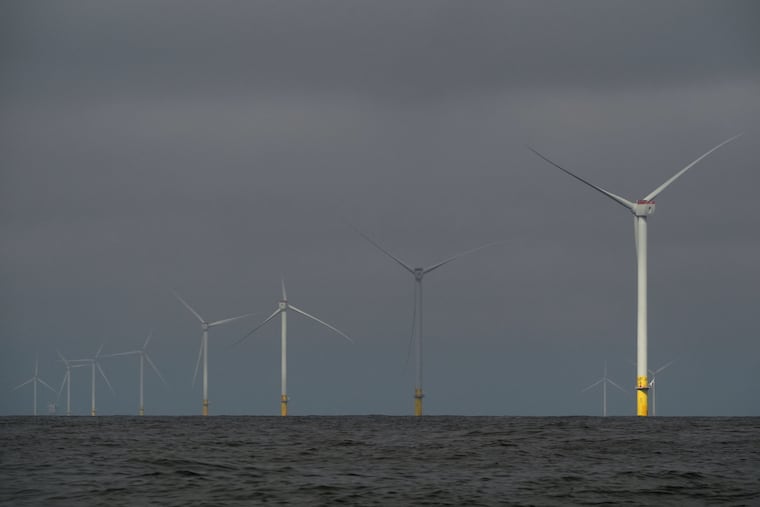
New Jersey ratepayers face costs from canceled projects linked to opposition against wind energy initiatives.
The recent decision by the New Jersey Board of Public Utilities (BPU) to abandon plans for massive offshore wind energy projects has raised significant concerns among residents and environmental advocates alike. This cancellation, largely attributed to policy shifts initiated during Donald Trump’s presidency, will likely result in substantial costs being passed on to New Jersey ratepayers.
On Wednesday, the BPU formally terminated its contractual agreement with grid operator PJM, a move that effectively ends any current initiatives to build infrastructure for offshore wind farms that had been strategized for the state. The decision comes amid ongoing scrutiny of the feasibility of such projects due to regulatory and economic pressures stemming from the former president’s administration, which has historically opposed offshore wind initiatives.
Brian Lipman, director of the New Jersey Division of Rate Counsel, has indicated that ratepayers could ultimately be responsible for covering between 0 million and 0 million in expenditures related to the preparations already undertaken for these now-defunct projects. He expressed frustration regarding the decision timeline, noting that it could have been more swiftly executed, thereby minimizing financial fallout for residents.
The BPU maintains that the termination is a prudent financial decision, arguing that the anticipated costs to complete the projects would have been significantly higher. Board members have cited Trump’s administration as a primary factor contributing to the declining prospects for offshore wind within the state.
In January, the Trump administration had enacted an executive order suspending federal leases necessary for wind energy construction. This action is part of a broader pattern of opposition to wind energy, which Trump has characterized with a series of unfounded claims regarding its impact on the environment and national security. The situation in New Jersey was further complicated when a French energy firm was compensated billion by the Trump administration to withdraw from its offshore wind plans.
Allison McLeod, interim executive director of the New Jersey League of Conservation Voters, emphasized that the state’s offshore wind initiatives were still in early development stages, making progress difficult once political and regulatory resistance mounted. In March, for example, a significant project was scrapped, exacerbating the precarious state of New Jersey’s offshore wind aspirations.
Amid these challenges, Governor Mikie Sherrill has expressed her commitment to an “all of the above” energy strategy, while holding the prior administration accountable for the stifling of wind energy production. Governor Sherrill has insisted that declining to forge ahead with offshore wind will not be a permanent setback for New Jersey, but she acknowledged that immediate prospects for the industry remain grim under current conditions.
Looking ahead, BPU executive director Bob Brabston reaffirmed the importance of offshore wind for New Jersey’s future energy landscape, emphasizing the potential for economic development that accompanies such initiatives. Despite the setback, advocates remain hopeful that groundwork can be laid in anticipation of a more favorable political climate for renewable energy, allowing New Jersey to reclaim its leadership role in offshore wind energy once the national landscape shifts.
As the discussion continues, stakeholders are urging the state to remain committed to developing infrastructure for clean energy, ensuring that New Jersey is poised to embrace offshore wind energy when conditions become more favorable. The outcome of this situation could serve as a significant indicator of the state’s energy policy trajectory in the coming years.
This evolving narrative around New Jersey’s offshore wind initiatives showcases the complexities of balancing energy needs with environmental commitments and the urgent need for strategic policy planning amidst shifting political landscapes.