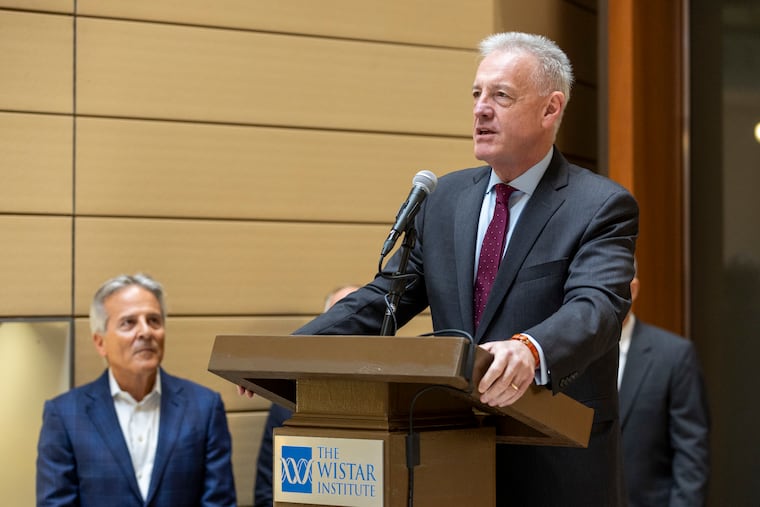
New Jersey’s interim U.S. Attorney Alina Habba has decided not to pursue the permanent position.
In a significant decision on Tuesday, United States District Court judges in New Jersey opted not to appoint Alina Habba as the state’s U.S. Attorney on a permanent basis. Instead, they selected her deputy, Desiree Grace, for the role. The judicial panel’s ruling did not include any rationale for bypassing Habba, who had served in an interim capacity since her appointment in March, following a nomination from former President Donald Trump.
Habba, who previously acted as Trump’s personal attorney and was once White House counsel, had faced considerable opposition from Democratic Senators Cory Booker and Andy Kim. They raised concerns regarding her qualifications and characterized her prosecutorial efforts as partisan. Just weeks prior to the judges’ decision, the two senators publicly denounced her confirmation, asserting that her tenure had “degraded the office” and involved “frivolous and politically motivated prosecutions.”
Habba’s brief period in office was marked by controversy. During her 120-day interim leadership, she oversaw the arrests of two elected Democrats, U.S. Representative LaMonica McIver and Newark Mayor Ras Baraka, during an ill-fated attempt to access an ICE detention center. Amid mounting scrutiny, she also established an Election Integrity Task Force aimed at reviewing voter rolls, actions some deemed as partisan in nature.
Shortly after her appointment, Habba had articulated a vision to align New Jersey with Republican ideals, famously indicating a desire to “turn New Jersey red.” She launched investigations into the administration of Democratic Governor Phil Murphy and State Attorney General Matthew Platkin, targeting local policies that limited cooperation with federal immigration enforcement.
Prior to her role in the White House, Habba represented Trump in multiple civil lawsuits and served as a spokesperson during the former president’s 2024 campaign amid a series of legal challenges. Her performance in court, most notably in the defamation suit brought by writer E. Jean Carroll, drew criticism from Judge Lewis A. Kaplan. The judge pointedly noted procedural errors and misstatements of law on Habba’s part.
This decision comes on the heels of similar complications regarding U.S. Attorney appointments elsewhere, including in the Northern District of New York, where the Justice Department recently created a new position to circumvent congressional confirmation issues. This ongoing trend has raised questions about the politicization of the U.S. Attorney positions and their implications for federal law enforcement.
Media News Source.