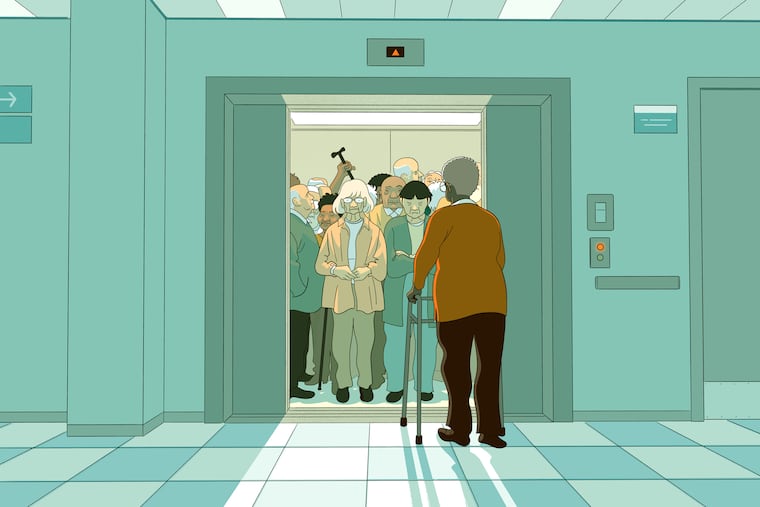
Nursing home bed shortage worsens across the country, impacting availability for elderly care.
The San Vicente de Paúl Nursing Home, situated in the South Bronx, has ceased admitting new patients since December 2024, a move emblematic of broader challenges facing nursing homes across New York. Managed by ArchCare, this facility has reduced its capacity from 120 beds to just 53 and intends to make additional reductions in the near future.
ArchCare is not alone in these challenges. Another of its nursing homes in Staten Island has recently closed an entire floor, while the Ferncliff Nursing Home in Dutchess County has seen its capacity shrink from 309 to 196 available beds. Over the past 18 months, ArchCare’s eight nursing homes—operated under the aegis of the Archdiocese of New York—have experienced a reduction of 269 usable beds, translating to a nearly 12% decline. This shrinking capacity has resulted in increased waiting lists for patients seeking long-term care services.
In a troubling trend representative of statewide issues, a total of 24 nursing homes have closed in New York since 2020, leading to a loss of over 3,000 licensed beds, as reported by LeadingAge New York, which advocates for nonprofit senior living organizations. This pattern of decline is mirrored nationally; since 2015, the number of certified nursing facilities has diminished by over 900, according to the Centers for Medicare & Medicaid Services.
As the oldest members of the baby boomer generation approach 80—an age recognized as significantly increasing the likelihood of needing long-term care—researchers are raising alarms about the potential for future bed shortages. The health policy community is acutely aware of these concerns; David Grabowski, a researcher at Harvard Medical School, highlights a 5% decrease in national nursing home capacity from 2019 to 2024. Given demographic shifts, experts worry the situation will worsen.
Several factors account for this concerning trend. ArchCare cites inadequate Medicaid reimbursement rates as a critical issue, making it difficult for facilities to remain financially viable. The organization emphasizes that Medicaid compensation does not cover daily care costs, a point supported by Clif Porter of the American Health Care Association. As Jason Hutchens, ArchCare’s Chief Operating Officer, notes, rising operational costs have led to unsustainable losses, prompting tough decisions.
The crisis is exacerbated by a continued shortage of nursing home staff, a situation fueled by typically low wages and high turnover rates. Federal data reveals that, despite recent increases, nursing aides’ median hourly wage stood at .67, with a significant portion of this workforce relying on public assistance.
Even with recent improvements in hiring and retention, staffing levels remain insufficient to meet demand, particularly as the population ages. While national occupancy rates have rebounded to approximately 80% following pandemic-related declines, these statistics can be misleading, as they do not account for actual bed availability based on facility capacity and staffing levels. Reports indicate that nearly half of nursing homes are currently limiting admissions, with more than half facing waiting lists for new residents.
Notably, these staffing and capacity challenges intersect with broader shifts in the preferences of older adults towards home- and community-based care options, which have increasingly become preferred alternatives to traditional nursing homes. Changes in Medicaid funding structures and the rise of assisted living facilities further highlight the complexity of the current landscape.
As the nursing home sector navigates these profound challenges, experts and advocates are awaiting potential policy developments. Proposed initiatives aimed at improving workforce conditions, enhancing immigrant worker inclusion, and ensuring better funding for nursing homes could playcritical roles in addressing what is emerging as a significant public health issue. The unfolding situation necessitates careful monitoring as stakeholders strive to create sustainable solutions in this pivotal sector of elder care.