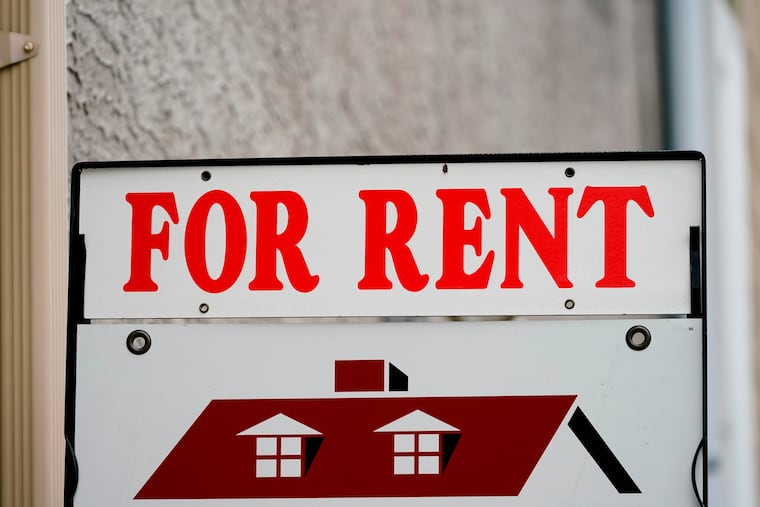
Parker launches H.O.M.E. initiative to promote investment in tenants and enhance community support.
In recent developments concerning Philadelphia’s housing crisis, Mayor Cherelle L. Parker has introduced the H.O.M.E. initiative, aimed at simplifying the path for developers to construct housing, particularly low-income units. With incentives including subsidies and tax abatements, the initiative’s objective is to foster affordable housing, which, according to Parker, would ultimately lead more citizens towards homeownership. However, city experts and residents express skepticism about the viability and effectiveness of this approach.
The context in which the H.O.M.E. initiative is set is critical. Philadelphia is currently positioned as one of the least affordable cities in the United States for renters. The Philadelphia Federal Reserve recently highlighted that the city ranks last in economic mobility nationwide, a predicament exacerbated by the high cost of living and insufficient income stability among its residents. This grim assessment underlines a significant barrier to homeownership—the need to reduce living expenses or increase wages so that residents can save for a down payment.
Although the mayoral administration has touted programs such as the One Philly Mortgage initiative, designed to offer reduced down payment options to potential homeowners, transparency around these offerings has been lacking. There is a concern that nearly half of the city’s renters classified as “very low income” may not benefit from these initiatives at all. These vulnerable groups are the ones most severely impacted by the housing affordability crisis.
Critics emphasize that the H.O.M.E. initiative overlooks renters, a population that constitutes approximately 48% of Philadelphians. The most recent financial plans from the mayor’s office reveal a troubling allocation, suggesting that less than 15% of funding would be directed towards rental assistance programs. Furthermore, while the initiative proposes over 0 million in support for developers and landlords, there are few accountability measures in place to ensure that these funds are used effectively. Tenants have been known to face dire living conditions in rental properties, a situation that remains largely unaddressed amidst these financial allocations.
As the city grapples with housing regulations, some council members are advocating for stronger protections for tenants. Councilmember Nicolas O’Rourke has reintroduced the Safe Healthy Homes Act, which aims to address tenant rights and impose stricter regulations on property owners. This initiative includes provisions for proactive inspections of rental units and enhanced protections against landlord retaliation.
The forthcoming discussions in City Council’s fall sessions will determine whether the administration is willing to prioritize tenant protections over maintaining favorable relationships with powerful landlord lobbies. As the real estate sector exerted substantial influence in the recent mayoral elections—accounting for nearly 19% of campaign funding—it remains to be seen how these dynamics will impact rent stabilization and homeownership initiatives.
These ongoing legislative efforts represent a crucial point in the city’s mission to navigate its persistent housing crisis. Stakeholders are encouraged to engage with members of City Council’s housing committee to advocate for tenant rights and ensure that any housing reform measures genuinely address the needs of the diverse Philadelphia populace.