Pennsylvania and New Jersey to increase electric vehicle chargers despite a decline in EV sales.
The electric vehicle (EV) market has found itself amidst a complex landscape of growth and challenges as it heads into the latter part of 2025. Analysts and industry experts have long hovered over the viability of EV sales, and recent data points suggest that the end of federal EV rebates in September may have catalyzed a noticeable downturn in U.S. EV sales. Despite these setbacks, the parallel growth of EV charging infrastructure illustrates a critical investment area poised to support the electric vehicle transition.
Following the cessation of EV rebates, October witnessed a significant dip in sales figures, with some reports indicating a reduction of approximately 50% compared to September. This decline occurred against a backdrop of heightened consumer interest prior to the rebate expiration, leading to a surge in sales as buyers aimed to capitalize on federal incentives. Average EV prices also reached unprecedented heights in October, complicating the market’s recovery prospects.
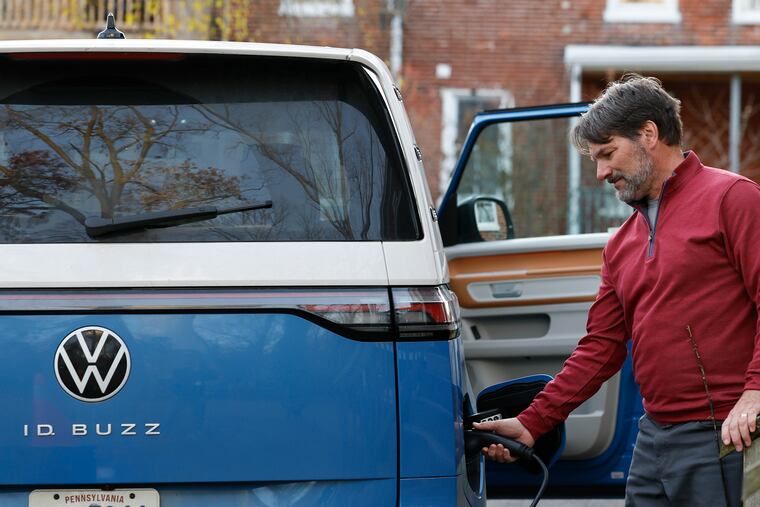
Conversely, the network of EV charging stations across the United States continues to expand, a development significantly aided by both public and private investments. The U.S. Department of Energy reports that there are currently 16,579 high-speed charging stations, featuring more than 71,000 charging ports nationwide. States such as Pennsylvania and New Jersey are leading the charge, with 382 and 389 stations, respectively, underscoring a growing commitment to broaden charging accessibility.
Convenience stores are emerging as pivotal players in the evolution of charging infrastructure. Leading chains like Wawa, Sheetz, and Pilot have begun investing in EV charging facilities, reinforcing their role in the ongoing push towards electrification. According to data from industry research, despite a slowdown in vehicle electrification, the demand for reliable charging infrastructure remains robust.
While the charging station network is expanding, concerns about pricing still pervade the conversation around EVs. Detractors argue that a sustainable charging ecosystem should not rely heavily on government subsidies. The long-term viability of charging stations, particularly in remote areas, remains an essential factor for travelers and residents alike, particularly as new federally funded stations begin to appear in less populated regions.
The recent trajectory of the EV market raises important questions regarding its future path. With the potential influx of more funding slated for 2026 through the National Electric Vehicle Infrastructure program, Pennsylvania officials aim to address regional charging gaps and enhance infrastructure parameters. Even as potential obstacles arise, both public and private sectors are positioned to play significant roles in shaping the field.
In this evolving landscape, consumer confidence in the availability of charging infrastructures remains a focal point for prospective EV buyers. While some individuals express hesitation over charging accessibility during long trips, the underlying sentiment indicates a strong belief in the future of electric vehicles. Stakeholders advocate for policies that can expedite the transition to electric mobility and enhance overall consumer engagement in this transformative market space.
In summary, despite encountering a significant sales decline in the wake of rebate terminations, the electric vehicle sector is not without hope. With continued investments in both technology and infrastructure, the prospect of sustained growth in the electric vehicle landscape remains on the horizon.