Pennsylvania university investigates racist video shared on student’s private social media account.
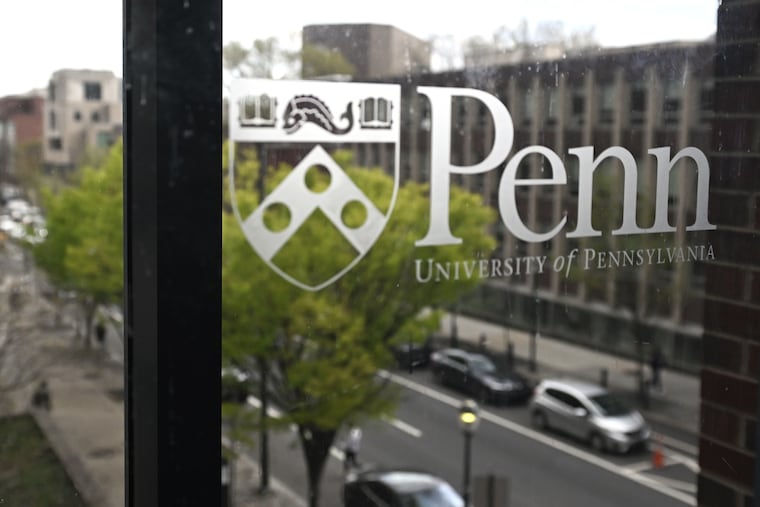
The University of Pennsylvania is currently conducting an investigation into a private social media video involving students making racist remarks, prompting calls for disciplinary action and restorative justice from the student body. This scrutiny arises from a Snapchat video that has circulated among students, showcasing two individuals using racially derogatory language and slurs aimed at Black individuals. According to reports from the university’s student newspaper, the Daily Pennsylvanian, the video has been met with widespread condemnation from various student groups on campus. The timeline of the video’s creation remains unclear, and attempts to contact the students featured in the footage have not yielded any statements.
In response to the incident, a university spokesperson stated that there is no tolerance for hate within the Penn community. The spokesperson confirmed that the university is taking the matter seriously and is actively investigating the video while engaging with affected students and student leaders. However, the university declined to provide additional details regarding the investigation process, potential disciplinary actions, or the enrollment status of the students involved, citing federal privacy regulations.
The incident has sparked outrage among students, particularly within the Black student community. Mariama Njie, a junior and political chair of UMOJA, a coalition representing Black student organizations at Penn, expressed disgust at the vulgarity displayed in the video and emphasized the need for a thorough response from the institution. In a statement co-signed by nearly 40 campus groups, UMOJA has called for significant action against the individuals in the video and urged the university to engage meaningfully with Black students throughout the investigation.
This situation echoes a broader national conversation surrounding systemic racism, particularly in the context of higher education. Following the 2020 murder of George Floyd, numerous students faced the revocation of college admissions or were threatened with enrollment after their racist social media posts were uncovered.
As a private institution, the University of Pennsylvania possesses greater latitude in imposing disciplinary measures on students for speech that may be deemed hateful or offensive, as compared to what would be constitutionally permissible under the First Amendment. Legal experts assert that private universities can establish their own policies for regulating speech while maintaining consistency and fairness.
The university’s Code of Student Conduct underscores students’ rights to freedom of thought and expression while condemning hate speech. However, it notes that the mere content of student expression does not automatically warrant disciplinary action. The current situation at Penn remains a significant case study in the tensions between free speech and the responsibility of educational institutions to uphold an inclusive environment.