Philadelphia health systems experience significant decline in operating profits following COVID-19 pandemic.
As the coronavirus pandemic wanes, the financial ramifications left in its wake continue to challenge Philadelphia’s largest nonprofit health systems. Despite recent improvements in operating conditions, the recovery has not progressed as swiftly as many hospitals had anticipated. Mark Pascaris, a senior director at Fitch Ratings, notes that the recovery curve appears less steep than projected, with hospitals grappling with elevated labor and supply costs that have persisted since the pandemic’s onset.
The return of patients has not alleviated these financial strains. Data analyzed from the region’s six largest health systems, which conclude their fiscal years on June 30, highlights a substantial decline in operating profitability. An examination of earnings before interest, depreciation, and amortization (EBIDA) reveals that this critical financial metric, often monitored by credit ratings agencies, has dropped significantly compared to the years leading up to the pandemic (fiscal years 2017-19) versus the most recent three years (fiscal years 2023-25).
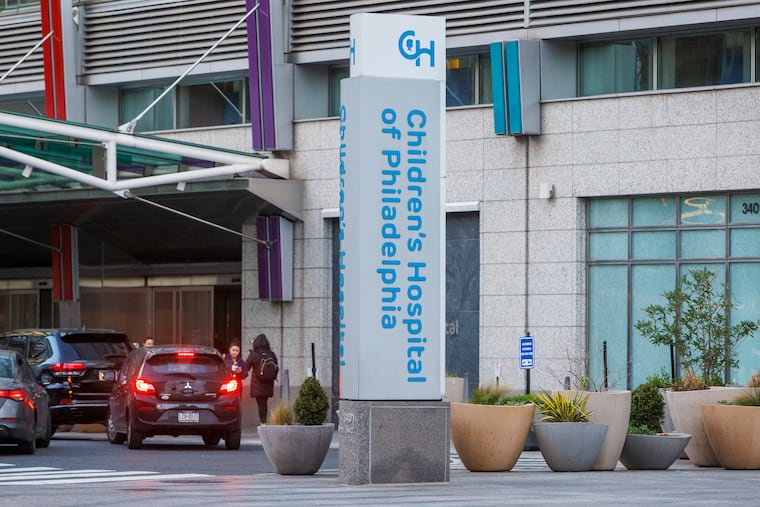
Children’s Hospital of Philadelphia exemplifies the stark financial landscape shaped by these developments. The organization’s revenue has increased by 58% in the last three fiscal years compared to the pre-pandemic period; however, its EBIDA has risen by only 0.5%. The hospital attributes these challenges to ongoing reimbursement issues, rising supply and labor costs, uncertain government regulations, and the enduring effects of the pandemic.
Officials from other health systems, including ChristianaCare, Main Line Health, and Temple University Health System, echo these sentiments, citing similar financial difficulties. Main Line Health’s CFO, Leigh Ehrlich, points out that margins were considerably better before the pandemic when supply and labor costs were lower. Unfortunately, these expenses have soared since, adding pressure to the systems’ operations.
ChristianaCare’s CFO, Rob McMurray, highlights concerns around government reimbursement rates that have not kept pace with inflation. The nonprofit is adapting by expanding its services into Southeastern Pennsylvania and exploring innovative care delivery models, including hospital-at-home programs and micro-hospitals.
Moreover, Temple University Health System’s CFO, Jerry Oetzel, raises alarms regarding anticipated budget cuts introduced in the 2025 reconciliation bill—commonly referred to as the One Big Beautiful Bill Act. The proposed Medicaid reductions could incur an estimated loss of 9 million over the next decade for the health system, posing further challenges to its financial stability.
These developments underscore the ongoing financial complexities and uncertainties faced by Philadelphia’s healthcare systems as they continue to recover from the pandemic’s far-reaching impacts.