Philadelphia Mayor requests million to attract housing manufacturing factory to the city.
Mayor Cherelle L. Parker is taking significant steps to address Philadelphia’s housing crisis by proposing the establishment of a modular housing factory in the city, an initiative backed by a million allocation in her latest budget proposal. This initiative aims to augment the construction of affordable housing in a city where pressure on housing markets continues to mount amid rising inflation and increased demand.
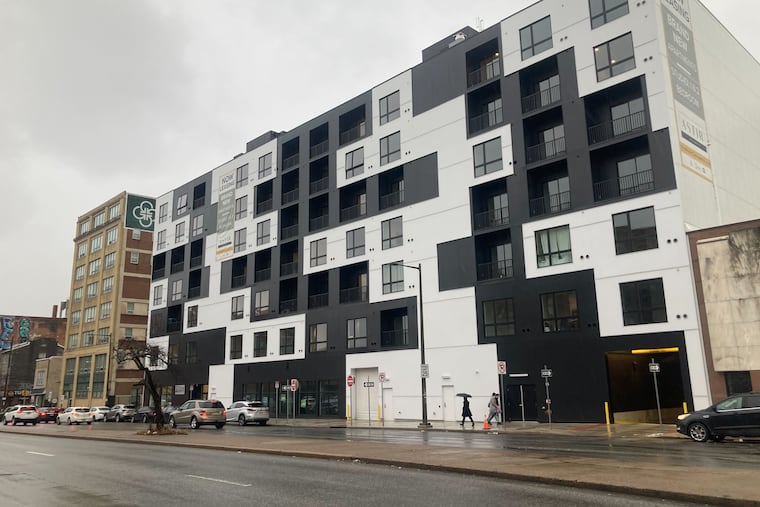
Currently, Pennsylvania is home to 27 modular construction facilities, all located outside the Philadelphia area. Modular construction involves the factory-based assembly of housing components, such as modules equipped with essential amenities, which are then transported to building sites for final assembly. This method is rapidly gaining traction within the national home construction sector, as it has been shown to significantly reduce construction timelines, a critical factor for developers today.
Parker’s vision for the modular factory reflects a model seen in Cleveland, where Mayor Justin Bibb has been advocating for a similar venture since 2024. That project is anticipated to break ground within the year and commence operations by mid-2027.
Earlier this year, Philadelphia city officials issued a Request for Information to gauge interest and solicit proposals for the modular housing facility. Responses included submissions from both local firms, such as the Philadelphia-based Volumetric Building Cos. (VBC), and companies outside the region. VBC, which has been instrumental in utilizing modular construction techniques for various Philadelphia projects, indicated that a stable supply of work would be crucial to the factory’s viability. The cost of establishing such a facility is significant, with estimates ranging from million to million, necessitating a consistent workflow to ensure profitability.
The motivation behind Parker’s modular housing proposal is deeply intertwined with her Housing Opportunities Made Easy (H.O.M.E.) plan, designed to facilitate the construction and repair of 30,000 housing units using the 0 million in city bond money earmarked for housing programs. The blueprint reflects a commitment to not only enhance housing availability but also create a robust job market through union-based employment in manufacturing.
However, for this initiative to be economically sustainable, a thorough assessment of local business conditions is necessary. Local taxes and wage rates significantly impact the operational costs compared to other regions in Pennsylvania. Thus, attracting business to Philadelphia’s planned modular factory will rely on ensuring competitive pricing structures and incentives.
As this proposal unfolds, Parker is keen to see how various funding strategies and the projected labor force can align to establish Philadelphia as a leader in modular housing production. Her ambitious goal seeks not only to meet immediate housing needs but also to revive Philadelphia’s historic identity as a manufacturing hub, thereby paving the way for future economic resilience and empowerment for its residents.
As authorities consider the intricacies of this proposition, local stakeholders await further information on its potential implications for the housing landscape and job creation in the region. Media News Source.