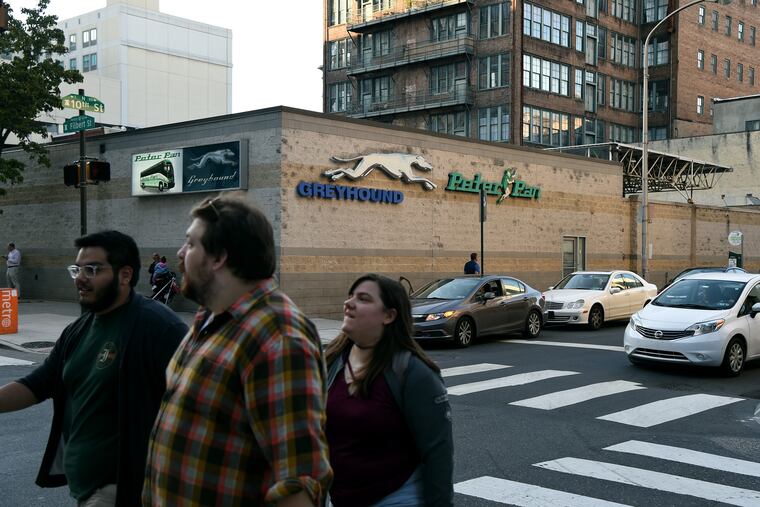
Philadelphia’s Greyhound bus terminal plans to improve by reversing its current layout for better functionality.
Philadelphia is on the brink of a significant redevelopment project aimed at restoring its intercity bus terminal operations. Greyhound Lines, the renowned long-distance bus service, is poised to return to a location at 10th and Filbert Streets, pending the requisite approval from the City Council. This site previously served as the bus terminal until its closure approximately two and a half years ago.
The decision to relocate back to Filbert Street comes as a relief for intercity travelers who have faced numerous challenges in recent years. The lack of adequate facilities for waiting passengers, including seating, restroom access, and nearby dining options, has made traveling inconvenient and uncomfortable. The city council’s prompt action on this proposal could bring an end to the prolonged struggles endured by citizens relying on Greyhound and similar services.
Previous attempts to establish a new terminal location have met with mixed results. One notable effort to relocate to Sixth and Market Streets quickly fell flat due to backlash from local federal workplaces, primarily concerned about disruption and inadequate amenities for passengers. Although this location offered advantageous access to public transportation, it failed to provide bus riders with necessary protections from the elements and comfortable waiting areas.
Efforts to improve passenger experiences only exacerbated existing issues. The relocation to Front and Spring Garden Streets led many to feel increasingly isolated, with little nearby infrastructure or amenities to support travelers.
The prospect of utilizing the Philadelphia Parking Authority’s existing garage in Old City garnered significant opposition from local residents, prompting an outcry that ultimately stalled the initiative. Realizing the need for a different approach, city officials revisited the original terminal site after the Philadelphia 76ers abandoned plans for a new arena complex at the same location. This opened the door for Greyhound’s return to Filbert Street, which had been a viable solution that city planners overlooked initially.
The strategy designed to revitalize the terminal involves leasing and renovating the space, with costs offset by new usage fees from bus operators. This collaborative effort among the city’s Department of Planning and Development, the Managing Director’s Office, and parking authority officials has been pivotal.
While some logistical matters still require resolution, including consultation with district Councilmember Mark Squilla, the return to Filbert Street represents a potential restoration of civic integrity for Philadelphia. The move would not only provide necessary amenities for travelers but also reaffirm the city’s commitment to supporting intercity transportation.