Philly is set to experience a late-season freeze on Wednesday morning.
A significant shift in weather conditions is forecasted for Wednesday morning, creating a challenging environment for the region’s blooming daffodils and magnolia blossoms. A strong cold front has swept through, bringing unseasonably cold temperatures and wind chills that may feel below freezing, combined with gusts reaching up to 40 mph.
Meteorologists anticipate that temperatures will plummet into the 20s by Wednesday morning, marking the first occurrence of frost since March 4 at Philadelphia International Airport, which is expected to register as the city’s formal “last freeze” of the season. This timing is notable, as it represents one of the latest official spring freezes in seven years and is attributed to the gradual warming of the planet, which has lengthened growing seasons.
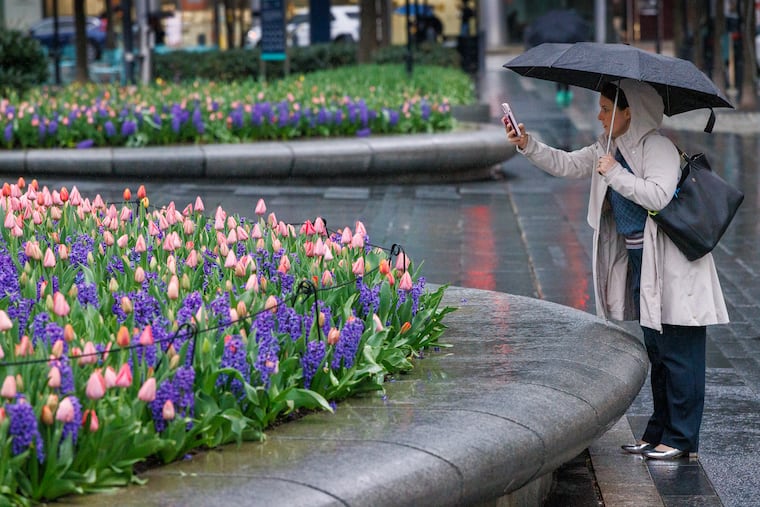
Historically, the median date for the last freeze in the Philadelphia area is April 5, but this freeze would become one of only eight instances this century where the last freeze occurred after that date. This unusual weather pattern may complicate the blossoming of early spring flora, raising concerns among local horticulturists and garden enthusiasts.
The current cold snap is largely the result of a cold front that moved across the region earlier in the week. This front has contributed to drying conditions and significant gusts from the northwest. Experts indicate that such cold outbreaks in North America can often be linked to atmospheric anomalies, including sudden stratospheric warming events that transpired in the Arctic region last month. These events can lead to chilly spells weeks later across the continent.
In recent days, the region has experienced substantial precipitation, alleviating fall drought conditions, with over 2.5 inches recorded at Philadelphia International Airport—more than three times the total rainfall during the months of September and October. However, despite the beneficial rains for local vegetation, the anticipated freeze poses potential risks to the delicate early blossoms. The ongoing wet conditions and a potential coastal storm forecast for later in the week may further influence local climate patterns.
Local experts acknowledge that there is little that can be done to protect early spring flowers from the impending freeze, highlighting the unpredictable nature of seasonal climate shifts. As the region braces for cold temperatures, it remains to be seen how the delicate daffodils and magnolia blossoms will fare amidst these capricious conditions.
This weather episode serves as a reminder of the shifting climate and its impacts, prompting continued discussion among residents and experts on the effects of such fluctuations on regional flora and the broader ecosystem.