
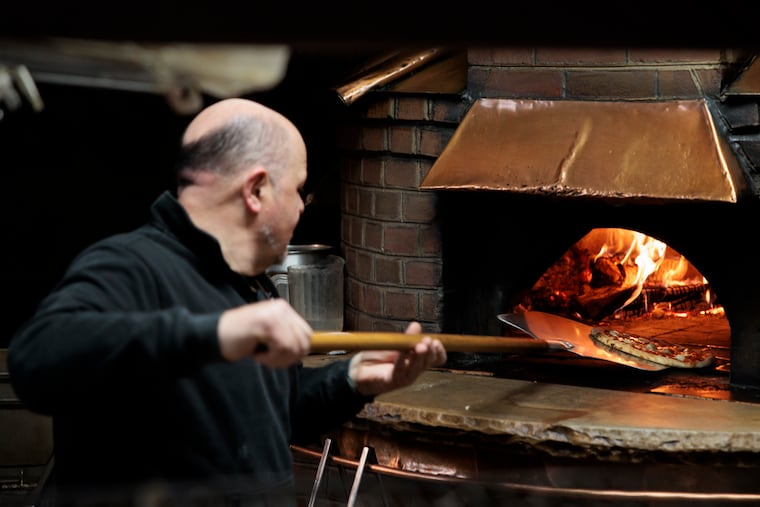
Philly restaurant reveals reasons behind Health Department shutdown and discusses whether it was the appropriate decision.
Last week, Cafe Michelangelo, a well-established restaurant in Northeast Philadelphia, faced a significant setback when a health inspector issued a “cease operations” order. The directive, which required the restaurant to remain closed for a minimum of 48 hours, was marked by the affixing of a cease operations sticker to its front door. In response to this alarming turn of events, co-owner Giuliano Verrecchia opted for an unusually transparent approach to address the situation.
Having been alerted to the report’s findings — which listed a total of 16 violations — Verrecchia decided to publicly disclose the specifics of each infraction, a choice that diverges from the more common practice of restaurants evading direct engagement with the public during such episodes. Instead, he sought to maintain an open dialogue, explaining that some of the reported issues might be perceived as misleading.
On December 4, the day following the shutdown, Verrecchia and his manager, Danielle Runner, crafted a post for Cafe Michelangelo’s Facebook page, detailing the health inspection report and providing their perspective on each violation. This included issues such as peeling paint in restrooms and ice accumulation in the walk-in cooler, with Verrecchia detailing the corrective actions that had already been taken.
The post was addressed to the restaurant’s customers and received a largely supportive response. Patrons expressed understanding and encouragement, with some even suggesting that the violations were relatively minor within the broader context of food service regulations. Nonetheless, an earlier post had inaccurately categorized the violations as “non-hazardous,” a statement that sparked some confusion.
Following the corrective actions, Cafe Michelangelo successfully passed its re-inspection on December 5. This marked a pivotal moment for the restaurant as it prepared to reopen its doors. However, post-reopening, business was substantially impacted. Cancelations from large groups, such as teachers who annually host parties at the venue, surfaced almost immediately, suggesting that public perception of the health inspection had a direct effect on patron willingness to return.
Cafe Michelangelo has a long-standing history, having been established in 1992 by brothers Michael and Angelo DiSandro. It has since evolved into a beloved local establishment known for its family-friendly atmosphere and Italian cuisine. Verrecchia has implemented several strategic changes to the operation, including enhancing oversight and conducting regular mock inspections to prevent future health violations.
In light of the missed opportunity during the closure, Verrecchia remains committed to maintaining high standards of operations and public transparency. He emphasizes a proactive approach to kitchen management, ensuring that his staff is educated and vigilant about compliance with health regulations. As Cafe Michelangelo navigates these challenges, it underscores the delicate balance restaurants must maintain between regulatory compliance and public perception in an increasingly competitive food service environment.


