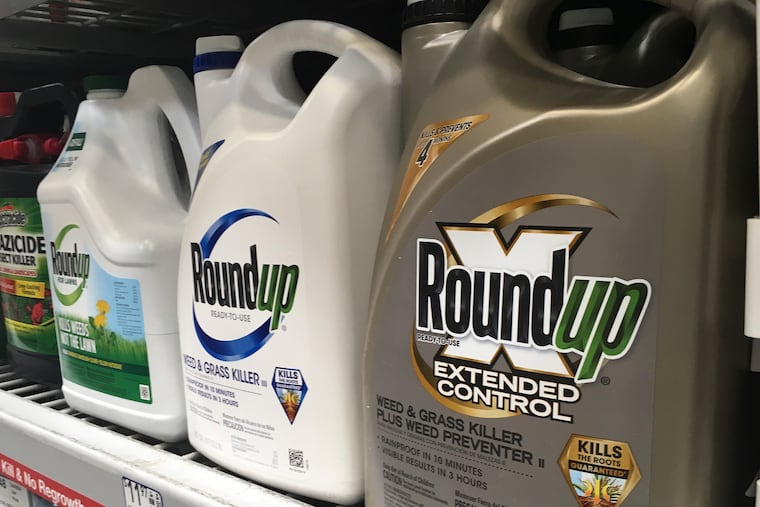
Philly verdicts in Roundup cases may be impacted by upcoming Supreme Court decisions.
In a significant ruling that could reshape the legal landscape for agriculture giant Monsanto, the U.S. Supreme Court has limited the types of claims related to its widely used herbicide, Roundup, particularly concerning allegations of causing cancer. This landmark decision follows a trial in which a Philadelphia jury awarded .25 billion to John McKivison, a leukemia patient who blamed his illness on Roundup exposure.
The Supreme Court’s decision in the case of Monsanto v. Durnell established a crucial precedent, determining that failure-to-warn claims based on state law could not proceed against Monsanto. The court ruled 7-2 that federal regulations, specifically those from the Environmental Protection Agency (EPA), preempt any state law requiring additional warnings that are not included on federally approved labels.
This case emerged from Missouri, where another jury had found that Roundup use had directly contributed to John Durnell’s cancer diagnosis, leading to a .25 million award for failure to warn. However, Monsanto counters that the EPA has consistently concluded that glyphosate, the active ingredient in Roundup, is not carcinogenic, and thus no warning was necessary.
The implications of this ruling reach far beyond current litigation. With approximately 462 active lawsuits against Monsanto in the Philadelphia Court of Common Pleas, attorneys may need to pivot their strategies, as failure-to-warn claims will no longer be viable in state courts. Although the Supreme Court decision narrows the scope of claims, it does not eliminate the lawsuits entirely. Plaintiffs can still pursue other theories of liability, such as negligence or claims regarding defective products.
Legal experts suggest that while juries may be tasked with fewer questions, the remaining claims can still potentially hold Monsanto accountable for other aspects of its product’s safety. The ruling might influence similar product liability lawsuits, particularly those against manufacturers of other pesticides, like Paraquat, which has been linked to neurological conditions such as Parkinson’s disease.
In response, Monsanto has welcomed the ruling as providing clarity amid ongoing litigation that the company claims has eroded public trust and incurred substantial costs. Furthermore, the ruling aligns with the broader strategy of corporations in mitigating liabilities associated with product safety.
As the legal ramifications continue to unfold, both plaintiffs and businesses in the agricultural sector will be closely observing how this decision impacts ongoing and future lawsuits related to pesticides and herbicides across the United States. Legal practitioners remain cautiously optimistic, recognizing that despite the constraints imposed by the ruling, avenues for accountability remain open. The future of Roundup litigation—its strategies and outcomes—will now evolve in the wake of this pivotal Supreme Court ruling.
This ongoing situation underscores the delicate balance between public health, regulatory oversight, and corporate responsibility in the agricultural industry. As stakeholders react to these developments, it remains clear that the conversation surrounding the safety of agricultural chemicals and their related health impacts is only beginning.
Media News Source.