
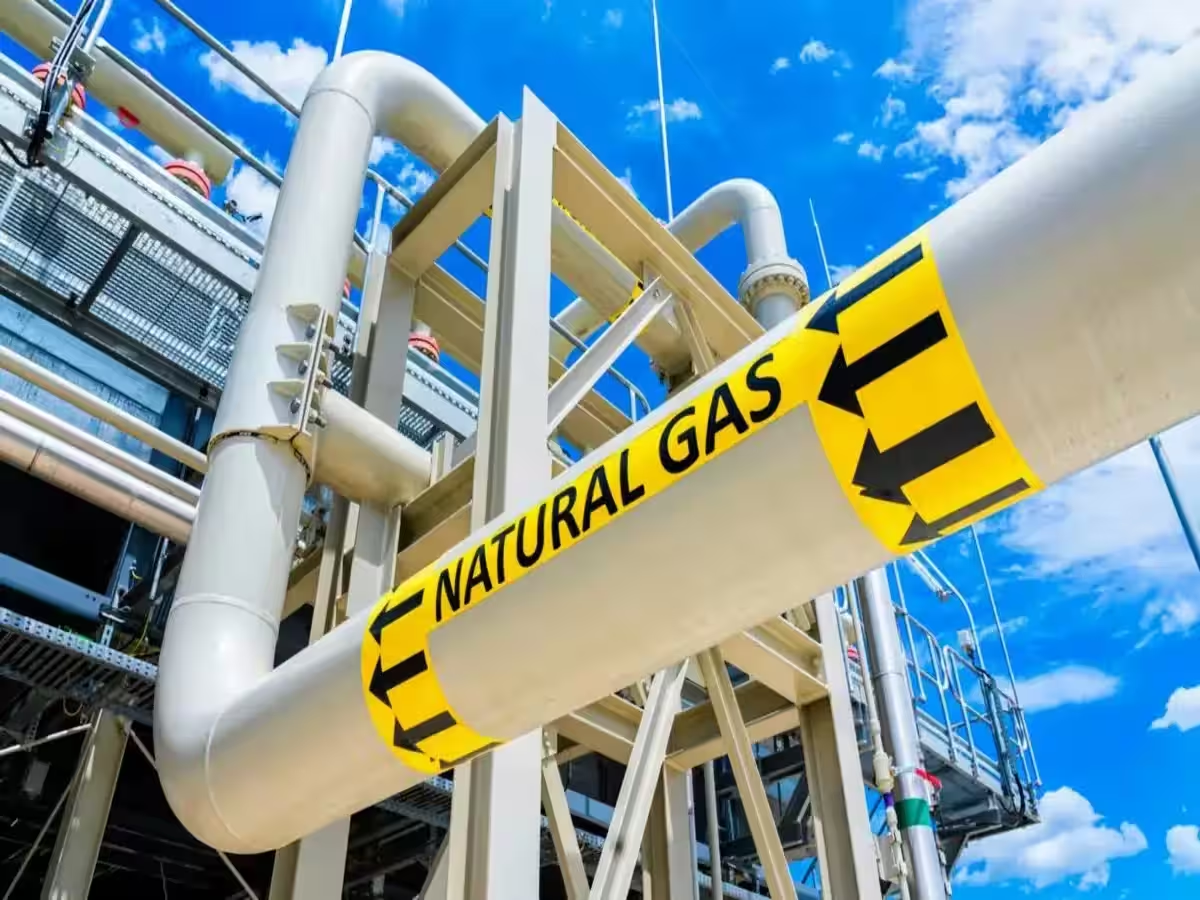
Papua New Guinea is poised to undertake significant construction efforts over the next two decades, driven by a proposed US billion pipeline of gas projects. This potential expansion follows the recent passage of crucial legislative changes by the country’s Parliament, facilitating a final investment decision on the US.5 billion Papua LNG project.
The president of the Papua New Guinea Chamber of Resources and Energy (PNGCORE), a key organization within the sector, indicated that the enactment of this legislation brings the Papua LNG project closer to its actualization. This development signals a transformative phase for the nation’s petroleum sector, with multiple subsequent projects anticipated to follow. Notable among these are the P’nyang, Muruk, Pasca, and Wildebeest projects, which, according to experts, could ensure a sustained period of construction activity.
Papua LNG, which represents a substantial US.5 billion investment, sets the stage for these additional endeavors. The P’nyang project is estimated to require approximately US billion, while Muruk is projected at US billion. The offshore Pasca project, led by Twinza, has an expected cost of US.5 billion, further contributing to a total investment within these four projects of around US billion. Should the Wildebeest project prove commercially viable through additional drilling, it could potentially double this figure, intensifying the investment landscape to an impressive US billion.
Moreover, alongside these gas developments, the proposed Wafi-Golpu and Frieda River copper-gold projects could present further investment opportunities, expanding the scope of potential economic benefits beyond the gas sector. The magnitude of these initiatives may even surpass the financial scale of the Papua New Guinea LNG project, which previously required a substantial US billion investment.
The continuity of construction activity is of particular importance. Past experiences, such as the termination of the PNG LNG project construction phase in 2014, led to a significant downturn in employment and local business opportunities. The proactive management of project timelines could prevent repetitive hardships by allowing workers and suppliers to transition smoothly from one project to another.
The anticipated influx of projects not only offers substantial return on investment for contractors and suppliers but also promises to foster a sustained domestic construction industry. This development could enhance local businesses’ capacity to invest in logistics, training, and infrastructure, thereby better positioning Papua New Guinea to capitalize on its resource wealth.
Looking forward, the impending succession of large-scale resource developments is expected to create a favorable investment climate for both international investors and contractors. Key players such as ExxonMobil, Kumul Petroleum, and Santos are likely to significantly influence the region’s economic trajectory by establishing necessary facilities and infrastructure in anticipation of sustained project demand.
The emerging US billion gas project pipeline will be a focal point at the upcoming PNG Investment Week 2026, set to occur from November 29 to December 2 at the International Convention Centre in Sydney, Australia. This event aims to unite government officials, developers, investors, and other stakeholders to discuss investment opportunities within Papua New Guinea’s evolving resource landscape.
PNGCORE serves as a pivotal industry association for operators, explorers, and stakeholders in the nation’s resource and energy sectors, highlighting the growing potential of Papua New Guinea as an investment destination on the global scale.