
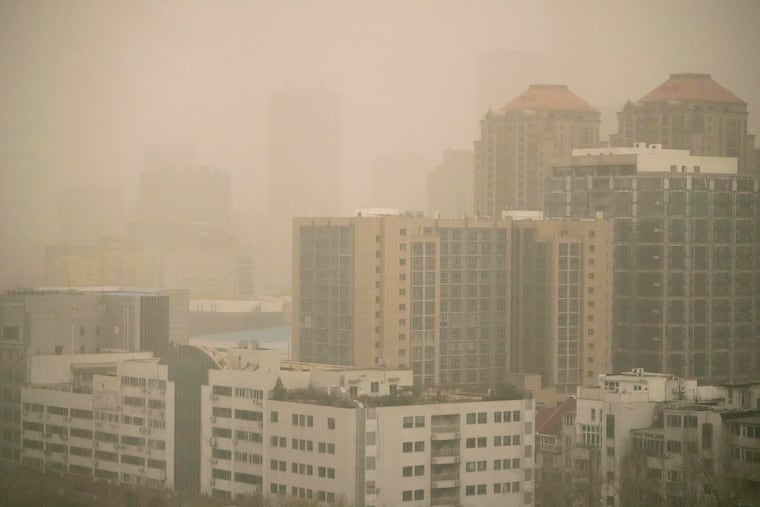
Pollution levels rise following the discontinuation of global air-monitoring efforts by the Trump administration, according to a recent report.
A recent study highlights significant increases in air pollution levels in numerous cities worldwide after the United States discontinued air quality monitoring at its embassies and consulates. This research, published in the Proceedings of the National Academy of Sciences, reveals that local pollution levels surged between 24% and 33% in 46 cities following the cessation of monitoring in March 2025.
The Trump administration’s decision to halt the air quality data program, due to budget constraints, removed independent air quality reporting that had been present at over 80 U.S. diplomatic sites since its inception in 2008. Initially established with the U.S. Embassy in Beijing sharing local air quality data, the program became a vital source of transparent information in regions where government reporting was often limited or unreliable.
Prior investigations have linked the diplomatic monitoring initiative to marked improvements in air quality in several cities, and its discontinuation represents a substantial public health concern. Experts argue that access to credible air quality data allows citizens to make informed decisions regarding their health and safety.
The recent study employed satellite imagery to assess pollution levels in cities post-monitoring. Results indicated an increase in aerosol optical depth—a metric correlating with the concentration of PM 2.5 pollutants—approximately 33% by September 2025. Although pollution levels tapered off by November, they remained 24% above pre-program cessation levels.
Further analysis of geographical regions showed that the highest increases in pollution levels occurred in Southeast Asia, sub-Saharan Africa, and South Asia. Researchers noted that the study did not isolate specific countries or cities, given the already defined parameters, but the trends suggested a notable decline in air quality across multiple regions.
Although alternative sources of air quality information may have emerged following the U.S. monitoring cutback, the absence of immediate, trusted reporting from diplomatic channels has raised concerns among experts. They emphasize that continued visibility and credibility of air quality data are crucial for fostering accountability and public awareness, especially in nations lacking comprehensive environmental monitoring.
Despite the potential for information gaps to be addressed over time, many observers express dismay over the elimination of a significant data-sharing opportunity. The U.S. embassies provided an essential public service by disseminating reliable air quality readings during a period when concerns about air pollution and climate change have reached critical levels.
The study’s findings contribute to an ongoing dialogue about the importance of transparent environmental data in safeguarding public health and the environment. As communities continue to grapple with air quality challenges, the reinstatement of a reliable monitoring program could prove pivotal in mitigating health risks associated with air pollution. The State Department has yet to comment on the implications of the study or the future of its air quality monitoring initiatives.


