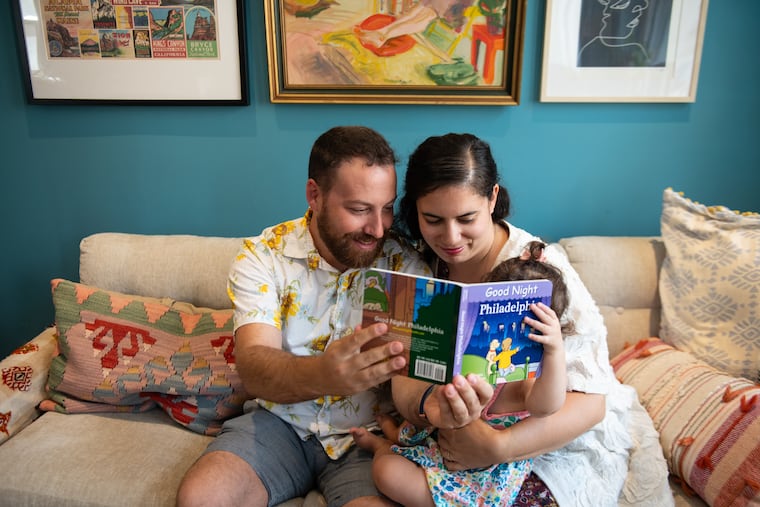
Reading habits shift as some people abandon books while others embrace new reading experiences.
In recent years, discourse surrounding the decline of reading has intensified, particularly following the publication of an article in The Atlantic which suggested a significant shift in cultural engagement with literature. While many observed that fewer people are embracing reading as a pastime, noteworthy statistics reveal that a dedicated segment of the population remains intensely devoted to the literary arts.
Presently, approximately 20% of individuals in the United States identify as avid readers. This segment, representing one in five people, is responsible for over 80% of all book consumption in the past year. Insight from scholars such as Leah Price at Rutgers University has classified this dedicated reader demographic as a niche group, similar to collectors of stamps, who engage with literature at a level deeper than many previous generations. In fact, those who self-identify as deep readers are reportedly dedicating more time to their reading habits compared to two decades ago.
Amid concerns about declining reading rates, an emerging narrative suggests optimism. If fewer individuals are reading—yet they engage more profoundly with the material—they are fostering a culture of critical thinking and deeper comprehension. This notion resonates within communities where reading becomes a shared endeavor, evoking the literary friendships reminiscent of great figures like Walt Whitman.
Whitman, often viewed as an early literary influencer, actively promoted his works, drawing audiences who would travel considerable distances to hear him speak. Today, platforms such as TikTok’s BookTok and Instagram’s Bookstagram serve analogous roles, creating communities where literature plays a centerpiece role in personal identities. These social media spaces allow readers to connect through shared interests, discussing books passionately and shaping their communal experiences around literature.
Institutions like the Rosenbach Museum and Library are also adapting to this changing landscape by expanding their reading programs. Since 2017, the Rosenbach has significantly increased its course offerings—from a modest collection of two to four courses per year to a staggering 40 by 2025, nearly 70% of which sold out. This growth suggests a renewed interest in literary discussions, drawing participants into enriching dialogues about works ranging from classic novels to contemporary selections.
As society evolves and the cultural fabric shifts, the future of reading may not revert to the mass literacy of the past. Instead, it appears poised to flourish through smaller, engaged communities that champion a profound appreciation for the written word. The imperative now lies in nurturing these existing literary communities and creating inclusive spaces where a broader audience can rediscover the joys and significance of reading. By doing so, we can help ensure that literature continues to thrive in an increasingly digital world, reinforcing its invaluable role in personal and communal life.
Media News Source