Robot food delivery system faces challenges of durability and safety during operation.
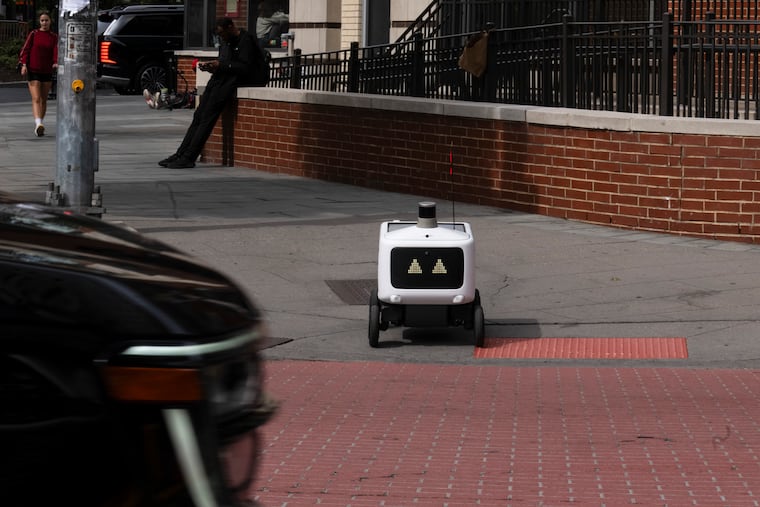
In the bustling streets of downtown Los Angeles, a food delivery robot was discovered fallen on its side, its wheels mismatched and in disarray. The incident was a part of increasingly chained events where urban dwellers engaged in both rescuing and, unfortunately, sabotaging autonomous delivery machines.
Jag Gonzalez, a 28-year-old bystander, came to the robot’s aid, having witnessed similar situations before. He straightened the robot and sent it on its way, only for it to appear hours later, victimized once again—this time, subjected to the violent kicks of a pedestrian. Such instances highlight a concerning trend in American cities where food delivery robots are gaining notoriety not only for their convenience but also for their vulnerability to hostility.
Across the nation, these robotic couriers are tasked with delivering takeout orders, ranging from sushi to fast food. However, reports indicate that the reception from the public has been largely hostile. Throughout 2026, various incidents surfaced, with individuals damaging these robots in acts of vandalism that range from playful kicks to severe assaults. This growing trend presents a significant concern regarding the coexistence of humans and AI technology.
As the use of food delivery robots becomes more common—estimated to rise from 5,000 to 8,000 in the next three years, generating a projected billion revenue—analysts continue to analyze the implications of their integration into urban environments. The risk of public disdain toward these machines has been exacerbated by a demand for interaction with technology that sometimes feels out of reach for many individuals, a sentiment echoed by some community leaders.
Despite the negative experiences of certain operators, experts argue that robots also provide essential services by reducing restaurant labor costs and generating performance statistics that can aid urban planning. Robots from companies like Serve Robotics are designed to navigate cityscapes efficiently, gathering food orders from restaurants while alerting customers of their arrivals. However, their presence has sparked concerns around privacy and pedestrian safety.
Urban officials are actively exploring regulations that might address public fears and community grievances. Various city council members have suggested assessing the robots’ impacts on public safety and the displacement of human jobs. The precarious balance between technological advancement and public acceptance remains a crucial topic, as the potential benefits of AI-driven delivery systems continue to unfold against a backdrop of societal skepticism.
Considering the increasing frequency of interactions between humans and delivery robots, the future of urban logistics remains intertwined with rising tensions surrounding technology’s role in everyday life. The challenges of overcoming public aversion while fostering a harmonious relationship with burgeoning robotic systems shape the ongoing discourse in cities nationwide.
For a deeper understanding of this evolving dynamic between technology and society, see Media News Source.