Shapiro calls for halt on excessive utility rate increases, lacking authority to implement changes.
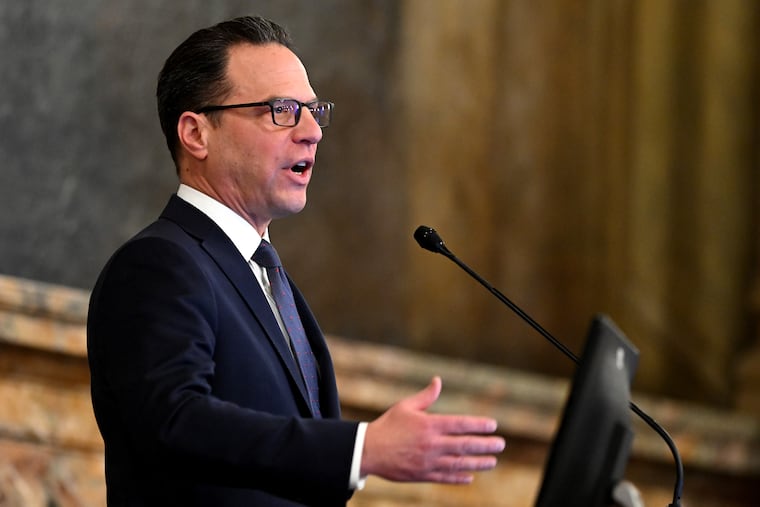
Governor Josh Shapiro of Pennsylvania has taken a firm stance against rising energy prices in a recent directive aimed at the state’s utility companies. With utility bills increasing across Pennsylvania and nationwide due to various factors, including a surge in demand driven by data centers, Governor Shapiro has urged utility leaders to take responsibility for soaring rates and to cease proposing what he terms “unacceptably high” rate increases.
In a letter addressed to utility executives, Shapiro articulated his concern that the rising bills represent a significant burden on Pennsylvania households, particularly during a time when many are facing economic hardships. He warned that if these companies continue to pursue excessive increases in their rates, he would respond with vocal opposition to their requests. The governor emphasized the importance of prioritizing customer interests over profit margins, stating that a “tipping point” has been reached where utilities must rethink their practices that are driving up costs for consumers.
The governor’s concerns reflect a broader national trend of escalating energy prices, influenced by both uncontrollable market dynamics and rising operational costs within utility companies. According to Shapiro, while some price increases can be attributed to external factors, utilities themselves contribute significantly to escalating costs through their rate-setting mechanisms.
In response to the governor’s letters, representatives from the Energy Association of Pennsylvania articulated that their member utilities comply with established state laws when seeking rate increases. The Association emphasized the structured process overseen by the Pennsylvania Public Utility Commission (PUC), an independent body responsible for reviewing and approving rate hikes.
Despite this formal process, consumer advocates have raised alarms over the perceived imbalance favoring utility companies. Elizabeth Marx, executive director of the Pennsylvania Utility Law Project, highlighted the necessity of reforms to alleviate the pressure on consumers, particularly low-income households. Notably, 2025 saw record high terminations of electricity and gas services resulting from customers falling behind on payments, with a significant increase in shut-offs reported over the past three years.
Shapiro’s intervention is seen as a critical shift, as governors typically do not engage directly in the rate-setting processes. The formal authority to adjust utility rates lies with the PUC, which evaluates requests through detailed legal proceedings that involve public hearings and extensive documentation.
In his letter, Shapiro proposed three guiding principles for utilities to consider when seeking rate increases: revising financing methods for infrastructure investments, altering the calculations of profit margins, and increasing transparency regarding the impacts of infrastructure expenditures on customers. Shapiro’s vision centers around aligning utility profits with competitive market standards rather than relying on regulatory determinations.
As Pennsylvania residents continue to voice their concerns over climbing utility expenses, Shapiro’s administration is evidently advocating for substantial changes that aim to foster transparency and fairness in the energy sector. This effort represents a broader initiative to improve affordability for all Pennsylvanians while ensuring that necessary infrastructure investments for reliable service are not hindered.
The situation remains in flux, with ongoing discussions between the governor’s office and utility representatives expected in the coming months as stakeholders navigate the complexities of energy affordability in Pennsylvania.