Streaming Power Struggle: NBCUniversal and YouTube TV Clash Over Distribution Deal
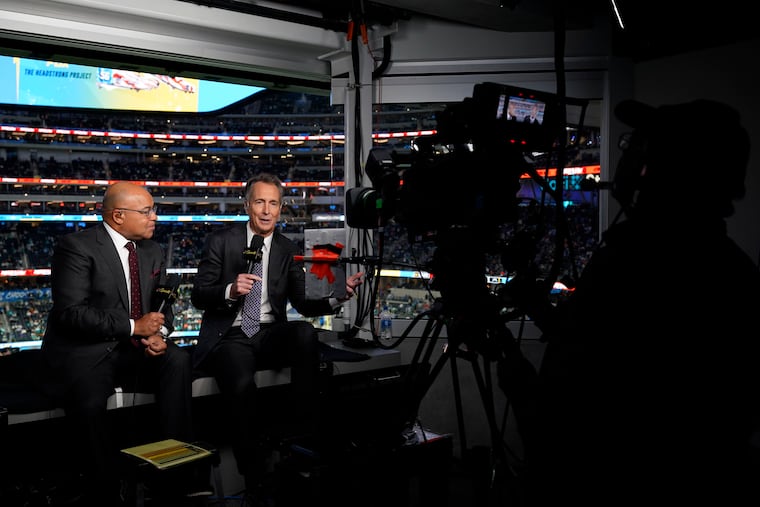
Popular NBC programs, including “Sunday Night Football” and “America’s Got Talent,” may soon be removed from YouTube TV if the two companies involved do not reach a new distribution agreement by Tuesday. This impasse arises from ongoing carriage talks concerning the fees that YouTube TV, which has approximately 10 million subscribers, would pay to air content from NBCUniversal, a subsidiary of Comcast.
The rivalry between these media giants is emblematic of broader changes in the television landscape, particularly highlighting YouTube’s ascent as a leading provider of video services in the United States. In the current negotiation, YouTube TV is seeking to integrate content exclusively available on NBCUniversal’s Peacock streaming platform, such as the popular reality series “Love Island.” At present, viewers on YouTube TV are required to access the Peacock app separately to watch these shows.
Known informally as “direct ingestion,” this approach faces resistance from NBCUniversal, which is keen on maintaining Peacock as a standalone service. This strategy is crucial for the company as it aims to gather valuable subscriber data and maximize revenue through targeted advertising. For YouTube, acquiring NBC content would be pivotal in its campaign to solidify its status as the largest pay-TV distributor in the U.S. Furthermore, it would enhance the advertising revenue potential of Google, which is the parent company of YouTube, particularly on smart TVs where ad slots usually demand higher rates.
The outcome of these negotiations could have significant implications for the future of media, according to analysts. For instance, Disney’s agreement with YouTube TV is also up for renewal at the end of October, and similar discussions are expected to unfold during that timeframe.
Industry experts suggest that YouTube TV is less concerned about the rates it pays compared to its desire to incorporate content from traditional media’s streaming applications. In terms of viewership, YouTube now commands the largest share in the U.S., surpassing both streaming competitor Netflix and traditional networks like Disney, as reported by Nielsen.
Currently, YouTube TV ranks among the four largest pay-TV providers in the United States. Alphabet’s financial resources provide it with explicit leverage in negotiations with traditional broadcasters such as Paramount and Fox Corp.
NBCUniversal has reportedly offered YouTube terms similar to those provided to other major distributors, including Amazon’s Prime Video Channels. Meanwhile, an NBCUniversal representative has stated that YouTube TV rejected competitive rates and is seeking preferential treatment to dominate the video marketplace.
On its end, YouTube argues that NBCUniversal’s demands would result in higher fees for its content than what consumers pay for similar material on Peacock. To mitigate potential subscriber dissatisfaction, YouTube has pledged a credit for its users if NBC content becomes inaccessible for an extended period.
Analysts warn that a failure to secure a deal could lead to diminished subsidiary revenue for traditional media firms and result in smaller subscriber bases, with no guaranteed shift toward their standalone streaming services. For Google, the loss of NBC programming could considerably weaken YouTube TV’s competitiveness in the rapidly evolving digital television environment.
As industry dynamics continue to shift, the resolution of these negotiations will be closely monitored for its strategic implications for media distribution.