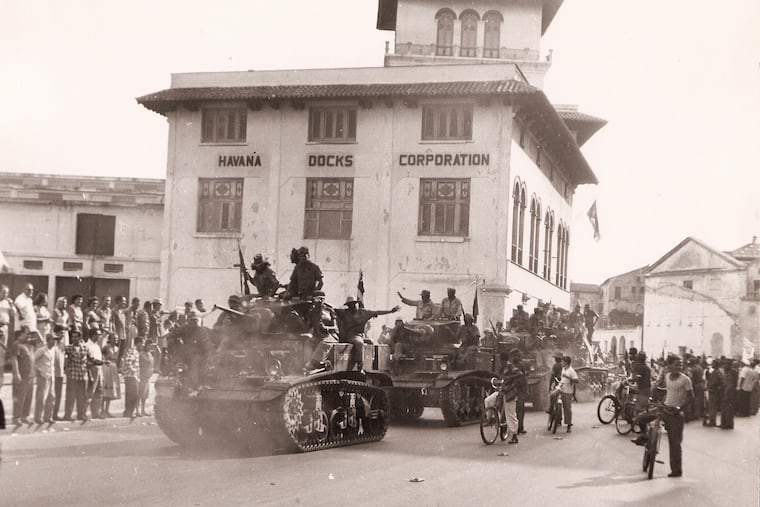
Supreme Court allows lawsuits regarding U.S. assets seized by Cuba in 1960.
The Supreme Court delivered a significant ruling on Thursday, siding with Havana Docks Corp., a U.S.-owned port business whose property was seized in 1960 during Fidel Castro’s regime. The court’s 8-1 decision might pave the way for other American companies and individuals to file similar claims regarding properties confiscated by the Cuban government.
This ruling emerges amid heightened tensions in U.S.-Cuba relations under the Trump administration, which has depicted a tough stance against the communist regime. The administration’s support for Havana Docks was articulated as part of a broader strategy to deter investments in Cuba and discourage foreign entities from engaging with properties that have dubious ownership histories.
Justice Clarence Thomas, who authored the majority opinion, stated that those utilizing property “tainted by a past confiscation” may be liable to “any United States national who owns a claim to that property.” The ruling suggests that the Havana Docks Corp. effectively demonstrated that the cruise lines had utilized property for which the company held a valid claim, thus legitimizing the business’s claims against them.
However, dissenting Justice Elena Kagan contended that the jurisdiction over the docks resided with the Cuban government, arguing that Havana Docks’ rights to the property had lapsed prior to the cruise lines’ usage. The consequences of this ruling extend beyond the claims against the major cruise lines; a parallel case involving Exxon Mobil’s claims regarding its confiscated assets remains pending before the court.
Historically, prior to the 1959 Cuban revolution, American entities owned a substantial portion of the island’s economic infrastructure, from electric utilities to sugar plantations. Castro’s takeover initiated a campaign of asset seizures that predominantly