Syrian Army Expels Kurdish-Led Forces from Oil-Rich Region

In the midst of a complex and rapidly evolving conflict, Syria’s recent military maneuvers have intricately reshaped the balance of power in the region. The government’s swift offensive to reclaim oil-rich territories long held by the Kurdish-led Syrian Democratic Forces has raised questions about future governance and stability in Syria. As a ceasefire agreement hangs by a thread, the implications of these developments stretch beyond immediate military concerns, affecting social, economic, and political dynamics in the region.
The Syrian government has launched a rapid and decisive offensive that has yielded significant territorial gains in areas rich in oil, previously under the control of the Kurdish-led Syrian Democratic Forces (SDF). This aggressive military action has created a tense atmosphere, culminating in a ceasefire agreement that, while temporarily alleviating hostilities, is viewed as fragile by many observers. The latest developments signal a possible shift in the regional power dynamics, with the Syrian government strengthening its position amidst an ongoing civil conflict that has persisted for over a decade.
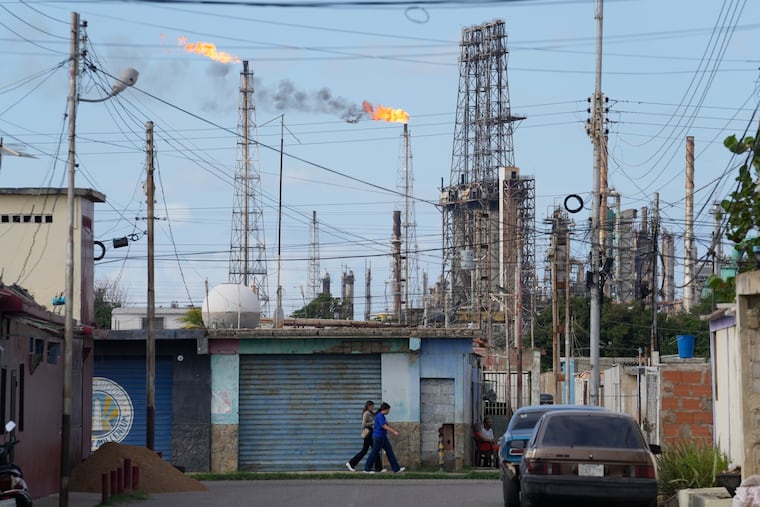
Experts suggest that the control over oil resources is pivotal not only for fueling military operations but also for addressing the economic needs of the country. These resources are crucial for the economy of the Syrian government, which has been crippled by years of sanctions and warfare. The SDF, initially formed to combat the rise of ISIS and to provide a semblance of stability during the chaotic civil war, now faces a significant challenge to its authority and operational capacity. The ability of the Syrian government to recapture such strategic areas demonstrates its ongoing efforts to consolidate power and mitigate the influence of various factions vying for control.
The ramifications of this military maneuver are profound, with potential impacts on neighboring countries and regional stability. The dynamics of alliances may shift as various stakeholders reassess their positions; the Kurdish population, often facing marginalization, may see a resurgence of tensions as they navigate their future within the broader geopolitical landscape. The international community watches closely, with potential responses to both the ceasefire and the territorial gains likely shaping future policy and diplomatic efforts in the region.
As the situation develops, the fragile peace remains at risk, highlighting the complexities of governance and power dynamics in Syria. The evolving landscape will require diplomatic engagement to foster a sustainable resolution that considers the needs and rights of all parties involved, especially those who have been historically marginalized.
#MiddleEastNews #WorldNews