
Trump Highlights Medicaid Drug Savings, but Lacks Clear Details on Implementation and Impact
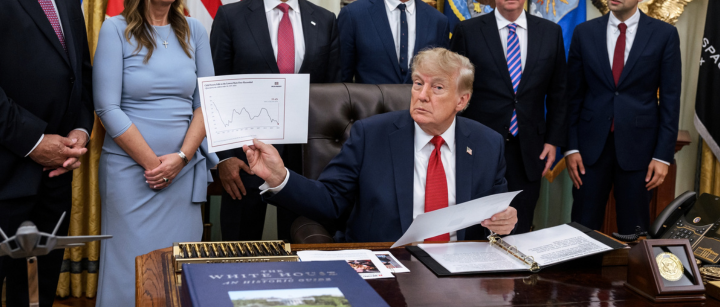
In a recent announcement, President Donald Trump, alongside federal officials, highlighted the administration’s agreements with pharmaceutical companies, proclaiming these deals as vital for “rescuing state budgets” and significantly reducing Medicaid expenditures on prescription drugs by tens of billions over the next decade. However, experts in the healthcare field are raising concerns over the specifics of these deals, questioning their potential impact and the actual savings to states.
While the administration claims transformative savings, initial projections indicate that these savings may constitute less than 2% of annual Medicaid spending, with expectations for further diminishment over time. The Trump administration’s efforts to reform drug pricing are framed against a backdrop where U.S. citizens typically pay higher prices for brand-name drugs compared to other affluent nations. Over the last year, the administration has engaged over two dozen drug manufacturers, securing agreements that aim to align certain drug prices with those offered in other countries through a mechanism known as “most favored nation” (MFN) pricing.
Trump asserted that these agreements could yield up to billion in savings for Medicaid and emphasized the importance of these funds to safeguard the program for future generations. Officials, including Dr. Mehmet Oz of the Centers for Medicare & Medicaid Services, echoed this sentiment, stating that such initiatives would alleviate pressure on state budgets and allow resources to be allocated towards education and infrastructure.
Despite the optimistic projections, experts have cautioned against overreliance on the anticipated savings. Detailed information regarding which drugs would qualify under these MFN agreements remains largely undisclosed, leading to uncertainty in estimating realistic impacts. Additionally, the dependability of the savings heavily relies on which drugs are included and the existing discounts that Medicaid already receives.
The negotiations with pharmaceutical companies have drawn both interest and skepticism from states across the nation. Participation in the GENEROUS model is relatively flexible, with states able to select which drugs to include. There are indications that some states may still be weighing their options, leading to a lack of consensus on the program’s adoption.
As the administrative discourse surrounding Medicaid drug pricing continues, experts highlight the need for clarity regarding the precise details of these agreements. The true impact on state budgets and Medicaid’s sustainability will only become clear as more information emerges on the participating drugs and the actual savings generated.
The emphasis on health reforms that prioritize affordability, particularly for programs benefiting low-income populations, aligns with the broader goals of ensuring equitable healthcare access. This initiative for transparency and collaboration between the pharmaceutical sector and state healthcare systems reflects a commitment to improving healthcare delivery for all.
#HealthNews #PoliticsNews


