Trump suggests potential for amicable takeover of Cuba following discussions with Havana.
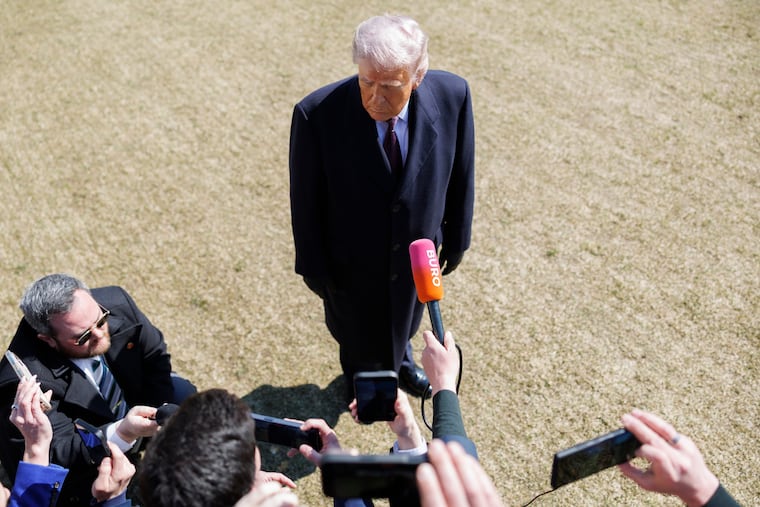
President Donald Trump recently revealed that the United States is engaged in discussions with Cuba, hinting at the potential for a “friendly takeover” of the island nation. These comments were made to reporters outside the White House as Trump prepared for a trip to Texas. He noted that Secretary of State Marco Rubio is reportedly in talks with high-ranking Cuban officials.
Trump characterized the Cuban government as being in a dire economic situation, stating that they “have no money” and expressed an optimistic view of a cooperative future. Despite these assertions, the details surrounding the purported discussions remain vague. The President implied that the situation in Cuba, a country long viewed as an adversary by Washington, may be reaching a turning point. However, the White House did not provide additional context or clarification on Trump’s statements when solicited by media outlets.
In a broader context, these comments come on the heels of recent events that have further strained U.S.-Cuba relations. Days prior, Cuban authorities reported an incident involving a Florida-registered speedboat that allegedly opened fire on Cuban soldiers, resulting in several casualties. Such incidents underline the complexity and tension present in U.S.-Cuban interactions as both nations navigate a fraught history.
Trump has expressed longstanding concerns regarding Cuba, especially amid the political upheaval in Venezuela, another socialist regime with close ties to Havana. He suggested that the economic collapse of Cuba could occur due to weakened support from Venezuela, as oil shipments from the latter have drastically decreased following the arrest of President Nicolás Maduro.
Moreover, Trump referenced the Cuban exile community in the United States, indicating that future developments could benefit those who have faced hardship due to the Cuban regime. However, specific plans or policies were not detailed in his remarks.
The United States has maintained a stringent trade embargo against Cuba since 1962, a policy instituted following the failed Bay of Pigs invasion. Despite this, recent indications have emerged suggesting that U.S.-Cuba communication has resumed following the aforementioned incident involving the speedboat. This resurgence of dialogue has elicited mixed responses from various stakeholders.
Cuba’s deputy foreign minister recently articulated criticisms of U.S. policies, stating that the fuel embargo inflicts collective punishment on the Cuban population without alleviating the humanitarian crisis. In light of these tensions, over 40 civil society organizations from the U.S. urged Congress to reevaluate the administration’s aggressive posture towards Cuba, arguing that current policies threaten to exacerbate an already precarious humanitarian situation.
Overall, the developments surrounding U.S.-Cuban relations remain closely monitored, as any significant shifts could have far-reaching implications for both nations and the broader geopolitical landscape of the Americas.
Media News Source.