Trump’s border wall seen as a betrayal by binational tribe members.
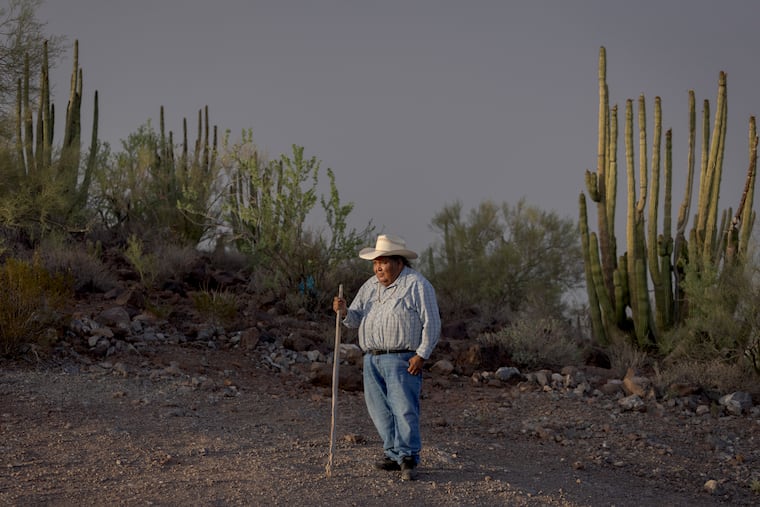
TOHONO O’ODHAM NATION — The Tohono O’odham Nation, whose territory spans the border between Arizona and Mexico, is currently facing a significant challenge with the proposed construction of a new border barrier by the Trump administration. This initiative intends to erect a 62-mile wall that would bisect the heart of the Native American homeland. Historically, the Tohono O’odham’s ancestral lands predate the establishment of the boundary between the United States and Mexico, a situation that complicates their ongoing efforts to assert their rights and sovereignty.
Tribal leaders express deep concern that this latest project not only poses a threat to their traditional way of life but also jeopardizes sacred sites and wildlife. The administration’s proposal is viewed by many within the tribe as a unilateral action that undermines decades of cooperative relations between the Tohono O’odham Nation and federal authorities. The tribe’s leadership argues that the construction of a new barrier will hinder the movement of tribal members, with some asserting it could leave a lasting destructive impact on the environment.
Previous walls constructed in the area have intensified tensions, as they often involve federal agents trespassing on tribal lands without due consultation. Recently, contractors, accompanied by Border Patrol agents, began surveying the land for the impending wall, prompting accusations from tribal leaders regarding the violation of tribal sovereignty.
The Tohono O’odham Nation, covering a vast expanse roughly equivalent to the size of Connecticut, has historically permitted federal authorities to operate within its territory, largely collaborating on matters of border security. They currently allocate approximately million annually towards these efforts. Yet, tribal leaders contend that their partnership has been compromised, claiming a betrayal by the federal government as it moves towards erecting this barrier.
While the Trump administration asserts that the wall aims to curb illegal activities, many within the Tohono O’odham community argue that such security measures will do little to address the real issues of smuggling and immigration. Instead, they fear the wall will represent an encroachment on their rights and cultural heritage.
In response to the federal push for wall construction, tribal leadership has sought legal recourse, filing a lawsuit that claims the project would encroach upon their territory without necessary congressional approval. The tribe’s legal strategy hinges on the notion that the federal government’s authority to develop on the Roosevelt Reservation should not supersede tribal sovereignty.
Community members have expressed a collective determination to stand against the wall construction, with many indicating they would be willing to physically obstruct the project if necessary. The gravity of the situation is heightened by the emotional ties to sacred sites, such as Quitobaquito Springs, which is threatened by potential environmental damage from construction activities.
As debates continue, the atmosphere within the reservation remains charged, with tribal members grappling with the implications of federal actions that they assert disregard their historical grievances. The Tohono O’odham Nation’s plight epitomizes the complex dynamics at play in contemporary discussions about immigration, land rights, and tribal sovereignty in the United States.
As the narrative unfolds, the outcome of ongoing litigation and negotiations may prove crucial not only for the Tohono O’odham Nation but also for broader discussions regarding the treatment of Indigenous communities in relation to federal policy initiatives.
Media News Source