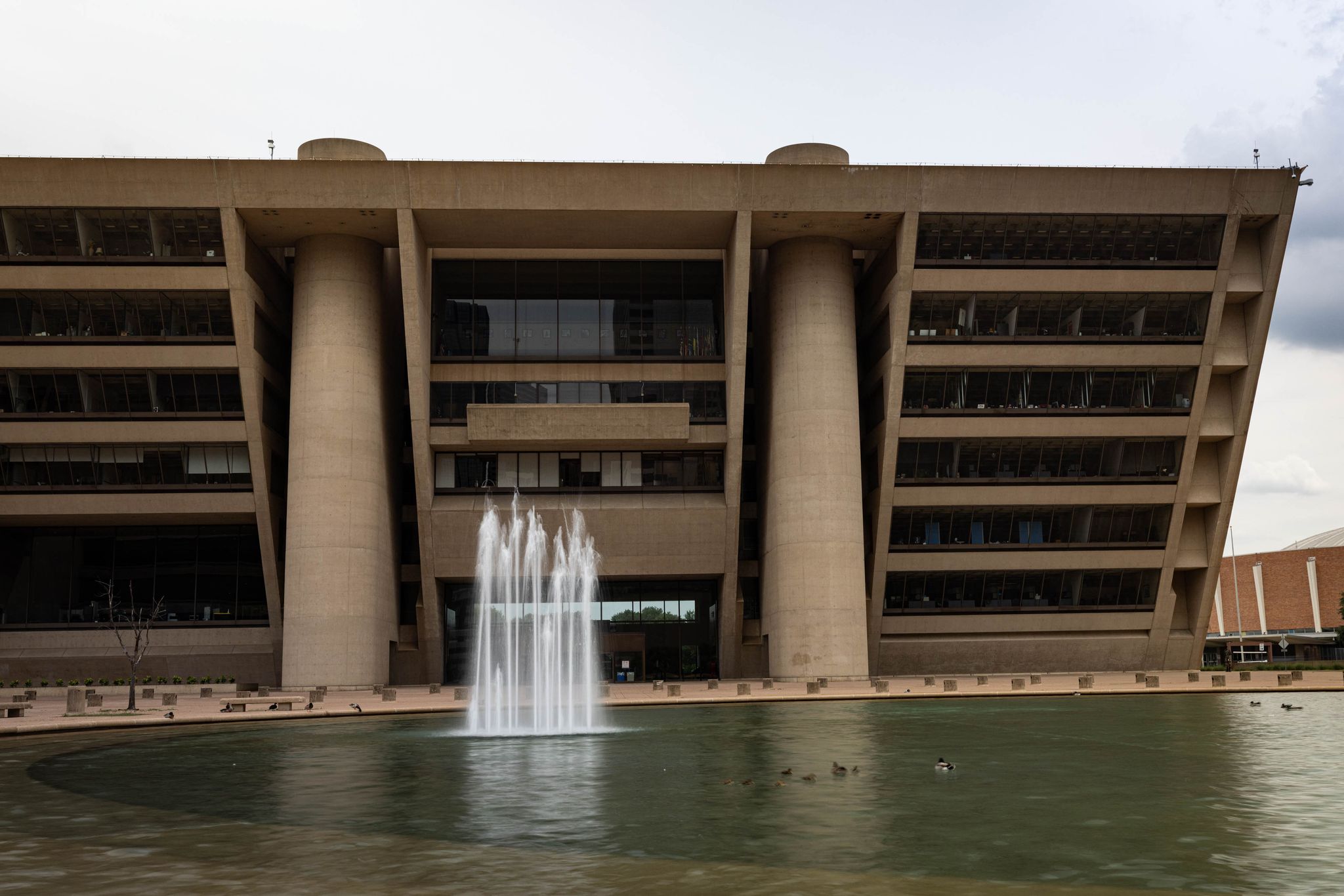
Uncertainty Remains on Required Votes for City Hall Exit
In March, a pivotal debate emerged within the Dallas City Council concerning the interpretation of a provision in the Financial Management Performance Criteria (FMPC). The provision mandates that any new or reopened facility or building must receive approval through a supermajority vote. However, ambiguities surrounding the application of this rule to leased properties and the specific definition of a supermajority—whether it constitutes 10 or 12 votes out of the 15-member council, including the mayor—have created significant uncertainty among council members.
This confusion has taken center stage in one of the city’s most significant civic discussions: the future of the iconic I.M. Pei-designed City Hall. The debate hinges on whether to allocate hundreds of millions of dollars for its repair or to relocate all government operations and redevelop a prime expanse in downtown Dallas.
As this issue has unfolded, the city attorney has refrained from commenting, leaving council members and the public seeking clarity. Meanwhile, the Save Dallas City Hall coalition, which opposes any relocation plans, has signaled its readiness to take legal action if the city is perceived to violate its established rules concerning real estate transactions. Advocates for this coalition argue that replacing or abandoning City Hall without comprehensive cost transparency and the required supermajority approval would not only breach city policy but also jeopardize its financial integrity.
Conversely, proponents of redevelopment are intensifying their efforts, warning that delays in decision-making might jeopardize the presence of major sports franchises like the Dallas Stars and Mavericks in downtown. Both teams have hinted at exploring alternative venues outside the American Airlines Center, raising concerns about the potential implications for downtown’s economic vitality and development.
As the Dallas City Council grapples with these pressing issues, the outcome will likely have lasting effects on the city’s architectural heritage, fiscal responsibility, and community cohesion. The discussions surrounding City Hall are emblematic of broader challenges faced by cities grappling with heritage preservation against the backdrop of modern urban development. The decisions made in the coming months could reshape the landscape of Dallas and influence its identity for years to come.