Wisconsin voters start casting ballots in chaotic Democratic governor’s race.
Early in-person voting commenced on Tuesday in Wisconsin, a key swing state, as the Democratic primary for governor unfolds amidst significant competitive dynamics. The primary features an array of candidates vying for the chance to succeed current Governor Tony Evers. Among them is Francesca Hong, a democratic socialist seeking to galvanize the most progressive factions of the party.
Democratic leaders aim to not only retain the governorship but also hope to gain majority control over both chambers of the Wisconsin Legislature for the first time since 2010. However, the party’s failure to unify behind a singular candidate raises concerns that they may forfeit a valuable opportunity to secure a victory in the general election scheduled for November.
Five Democratic candidates are slated to partake in their only debate on Tuesday evening, just ahead of the primary set for August 11. Key figures in the race include former Lt. Gov. Mandela Barnes, who narrowly missed out on a U.S. Senate seat in 2022, and Hong, whose base of support is concentrated in Madison. Both candidates are looking to appeal to the significant number of Democratic voters located in Milwaukee, Barnes’s hometown.
Milwaukee County Executive David Crowley has also joined the contest, supported by Governor Evers. Crowley had previously withdrawn from the race but resumed his campaign shortly after Lt. Gov. Sara Rodriguez exited amid a campaign finance scandal. Both Crowley and Barnes are contenders to make history as Wisconsin’s first Black governor.
The winner of the Democratic primary will challenge Republican U.S. Rep. Tom Tiffany in the upcoming election. Tiffany enjoys the endorsement of former President Donald Trump and faces minimal opposition in his own primary.
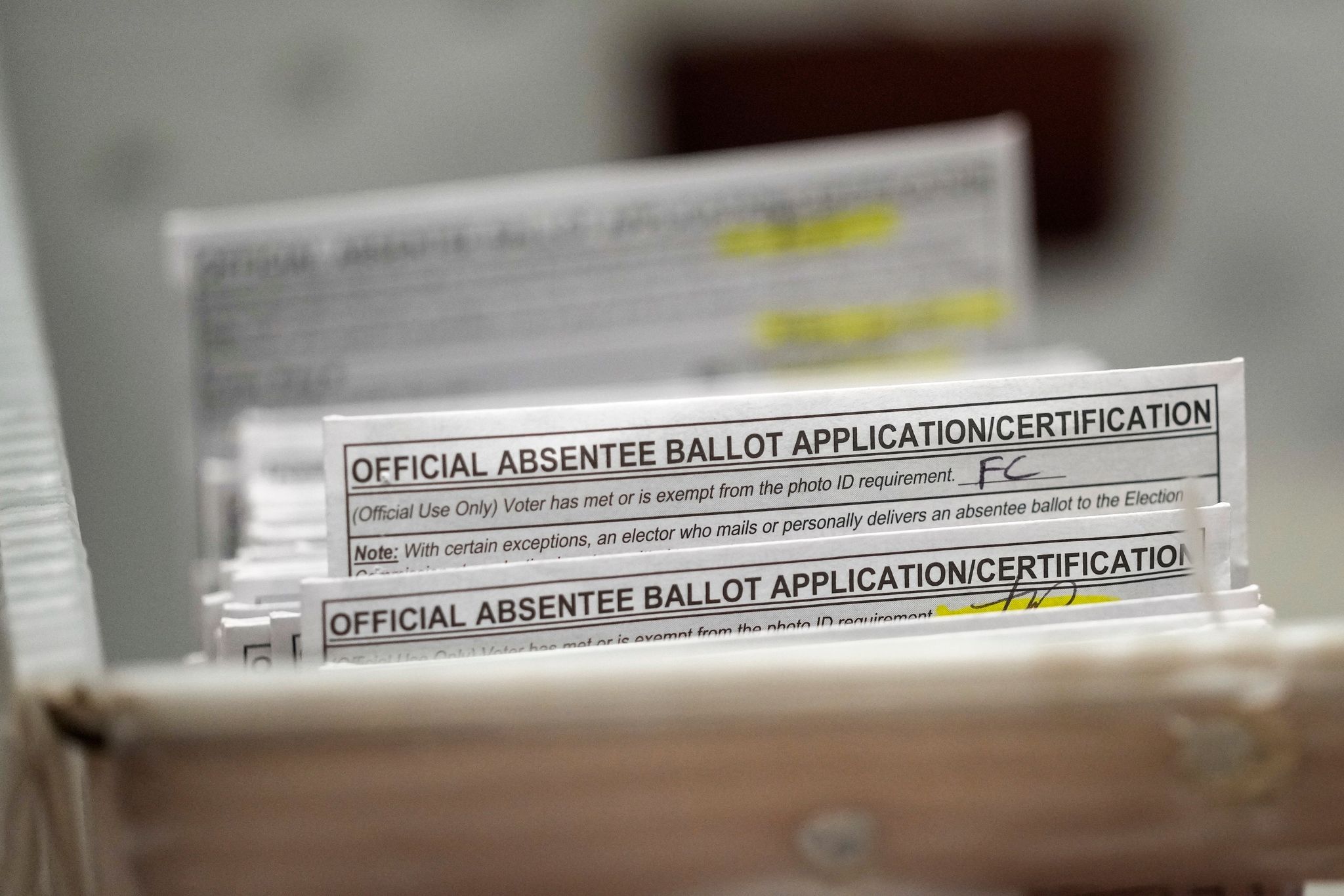
As early voting commenced, a legal hearing was scheduled to address a lawsuit filed by the Democratic Party. The lawsuit seeks permission for voters who have already returned their ballots to cancel those votes and cast a new one—an unusual process referred to as ballot spoiling. This move is motivated by the recent withdrawals of candidates like Rodriguez and former state economic director Missy Hughes, along with Crowley’s reentry into the race, changes that occurred after many ballots had already been cast.
As of Monday, over 100,000 mail-in ballots had already been returned. The Democratic Party argues that this legal action is essential to maintain fairness in the electoral process. The names of both Hughes and Rodriguez will still appear on the ballot.
In-person absentee voting, which started on Tuesday, will continue through August 9. To be counted, all absentee ballots must arrive by the close of polls on Election Day, August 11.