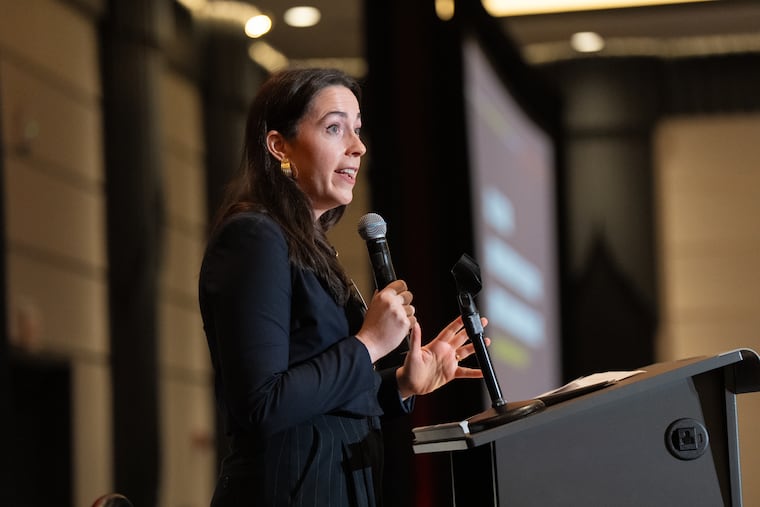
Women occupy nine CEO roles among Philadelphia’s top 100 public companies.
In fiscal year 2024, the representation of women in leadership roles at large public companies in the Philadelphia region showed modest improvement compared to the previous year, yet significant gaps persist in achieving workplace equity. According to a recent report released by the Forum of Executive Women, there is a clear indication of positive—but slow—advancement in the representation of women in executive positions and corporate boards within the area’s top 100 public companies.
Meghan Pierce, the president and CEO of the Forum, emphasized that the results demonstrate measurable progress but lamented the sluggish pace of change. The report analyzed data sourced from U.S. Securities and Exchange Commission filings, confirming an increase in the number of women holding leadership positions across major corporations.
Despite the overall positive trend, challenges remain. Pierce pointed to critical structural issues like insufficient paid family leave policies in Pennsylvania and a lack of pay transparency as persistent barriers that can hinder women’s professional advancement. These concerns underscore the need for systemic changes to create an equitable workplace environment.
Notably, the number of female CEOs in the Philadelphia area has more than doubled over the past year, rising from four in 2023 to nine in 2024. While three of the nine were already in positions last year, a significant influx of new leaders has marked this year. These include prominent figures such as Lori Koch of DuPont de Nemours Inc., Winnie Park of Five Below, and Mojdeh Poul of Integra LifeSciences Holdings Corp., among others.
However, challenges persist as former CEO of American Water Works, Susan Hardwick, recently retired, and the company subsequently appointed a male successor. The report also highlighted the ongoing need for female representation in executive roles, with only 22% of those positions filled by women across the top hundred companies in the region—an increase from 15% in 2019, but still indicative of the work that lies ahead.
In addition to trends in executive leadership, the report noted a 30% representation of women on corporate boards, with women occupying 15 additional seats compared to the previous year. Nonetheless, a concerning aspect of this year’s findings is the increase in the number of companies with no female board members, rising from three to six firms— a statistic that has remained unchanged since 2013.
An additional point of concern highlighted in the report is the decline in diversity, equity, and inclusion (DEI) reporting among local companies. Fewer businesses are sharing their DEI policies and the demographic composition of their boards and workforces. The decrease in disclosure, from 87% in 2023 to just 62% in 2024, has been viewed as troubling by the Forum, suggesting a potential regression in commitment to diversity initiatives.
As the landscape continues to evolve, the Forum of Executive Women emphasizes the necessity of long-term investments in women, encouraging organizations to actively promote and facilitate the rise of women into top executive positions. The collective goal remains clear: to establish a more equitable future for all women in the workforce.
Media News Source.