0 Million Proposed for Ballroom: Consider Investing in Families Instead
The significance of budget figures, particularly large sums associated with the federal budget, has become a source of public numbness or indifference. A recent request for .5 trillion by the U.S. Department of Defense, amidst total government expenditures exceeding .5 trillion, underscores the enormity of such figures that capture Congressional attention. However, the general populace often becomes desensitized to expenditures in the billions, and millions fade into obscurity.
The phenomenon of budgetary desensitization is not new, although it may seem more pronounced today. One humorous yet poignant remark often attributed to the late U.S. Senator Everett Dirksen highlights this concern: a billion may appear as a trivial amount until it accumulates to a staggering total. Expenditures in the millions and billions, nevertheless, merit scrutiny, as they embody significant choices in governance and resource allocation.
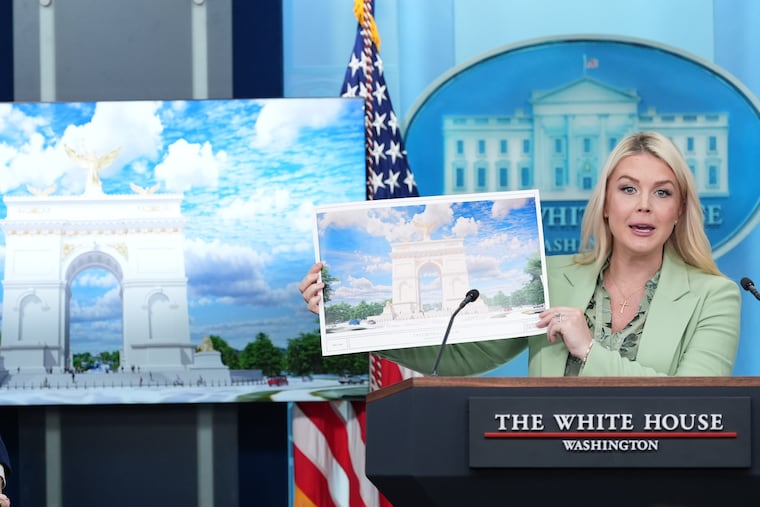
Amid ongoing initiatives and federal spending, an examination of controversial choices reveals a critical consideration of opportunity costs associated with these financial decisions. For example, spending 0 million on the construction of a Triumphal Arch, and 0 million on a White House ballroom—as well as a proposed .776 billion for an anti-weaponization fund—are expenditures that inevitably limit other investment opportunities. Decisions made in budgeting ultimately reflect societal values and priorities.
A thought experiment invites contemplation of alternative investments that could potentially address pressing issues such as the ongoing housing crisis and poverty alleviation. Significant allocations such as .776 billion could significantly impact low-income families, with funds sufficient to elevate the incomes of impoverished families in Alabama above the poverty threshold. Alternatively, this amount could provide housing assistance to thousands over several years, offering much-needed support in a time of escalating financial strain.
For instance, the Housing Choice Voucher program, which costs the government approximately ,200 monthly per household, could support an additional 25,000 families annually if funds were redirected from lavish expenditures. The implications of reallocation present a powerful opportunity to uplift communities grappling with economic hardship.
The juxtaposition between government spending on monumental projects versus the possible enhancement of social welfare services invites a necessary dialogue about resource allocation. A 0 million budget for a ballroom has the potential to support almost 28,000 additional renters, underscoring the disparity in prioritizing luxury over necessity.
Given the finite nature of budgetary resources, each expenditure symbolizes broader societal values and choices about community well-being. As discussions ensue around federal budgets, it is essential for citizens and policymakers alike to reflect on the opportunity costs associated with their financial decisions, ensuring that investments align with enhancing social equity and addressing critical challenges facing families across the nation.
In light of these considerations, the question arises: What could be achieved if funds commonly allocated for high-profile projects were instead utilized to improve housing affordability and eradicate poverty? The answers may influence future budgeting debates and policy decisions, emphasizing the importance of transparency and accountability in government spending.
Media News Source