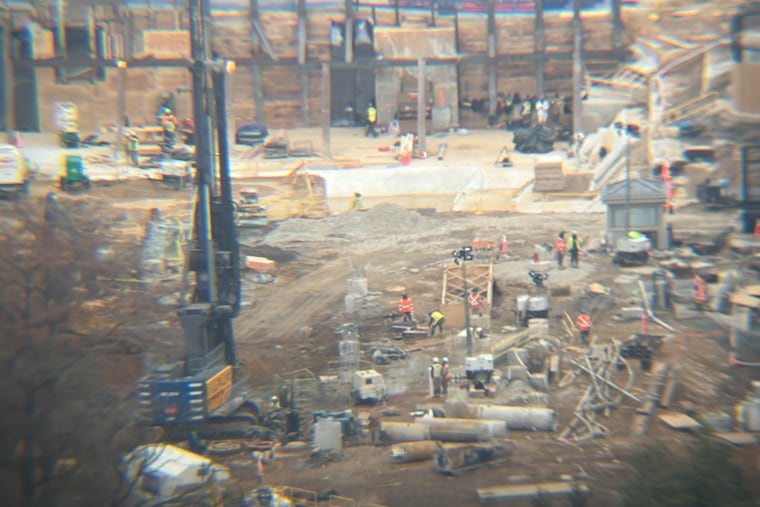
Federal commission postpones vote on Trump’s White House ballroom renovation project.
A significant decision regarding the proposed renovation of the White House ballroom has been postponed by the National Capital Planning Commission (NCPC), with the vote now set to occur next month. The commission cited substantial public feedback, characterized by tens of thousands of comments—predominantly critical of the proposed project—as a key reason for the delay. This vote represents a crucial step in the contentious effort to transform one of America’s most iconic symbols of democracy.
Originally scheduled for a review and vote, the commission’s meeting witnessed Chair Will Scharf indicating that the public commentary segment could extend for five to nine hours due to the high level of interest; over 100 individuals are signed up to testify. Consequently, the commission will reconvene on April 2 to deliberate and vote on the ballroom initiative.
Leading up to the hearing, an analysis revealed that the NCPC had received more than 35,000 public comments on the ballroom plan, with staff confirming that an overwhelming majority—over 97%—expressed opposition. These findings align with public sentiment reflected in various surveys, indicating widespread unease regarding the proposal’s speed and perceived lack of adequate public engagement.
The postponement poses a challenge to the Trump administration’s intent to expedite the approval process, aiming for construction to commence before the conclusion of the president’s second term. The administration has announced plans to initiate groundwork for the project as early as next month. Should the NCPC approve the proposal at its upcoming meeting, it would eliminate a significant bureaucratic hurdle in the 0 million renovation effort, which has already faced legal challenges from historic preservationists citing improper authorization from Congress.
Despite this backdrop, the executive director of the NCPC, Marcel Acosta, endorsed the renovation, asserting that the proposed structure would enhance the White House’s event hosting capabilities while maintaining its historic integrity. This position contrasts sharply with public feedback, which largely criticizes the project as being rushed and lacking necessary dialogue with stakeholders.
Questions surrounding the funding and implications of the ballroom’s construction remain contentious. The project is being financed through private donations, which have raised concerns among some lawmakers and advocacy groups about potential conflicts of interest, particularly with major corporate donors that have substantial federal contracts.
The controversy surrounding the ballroom highlights larger issues of governance during the Trump administration, including conflicts of interest, the role of public input in federal projects, and a growing divide in public opinion regarding the president’s initiatives. As the commission prepares for its next meeting, it is poised to confront these multifaceted challenges, reflecting broader societal debates regarding the future of federal projects and historic preservation in the capital.
The outcomes of the upcoming meeting are crucial, as they will not only determine the fate of the proposed ballroom but also resonate with fiscal accountability and public transparency in government projects. As public sentiment appears increasingly against the proposal, how the Trump administration navigates this approval process will likely shape discussions about the future of similar initiatives.
The NCPC’s final decision could set the stage for a larger conversation on the balance between preservation and modernization in the heart of American democracy, addressing both the architectural and cultural significance of the White House.