
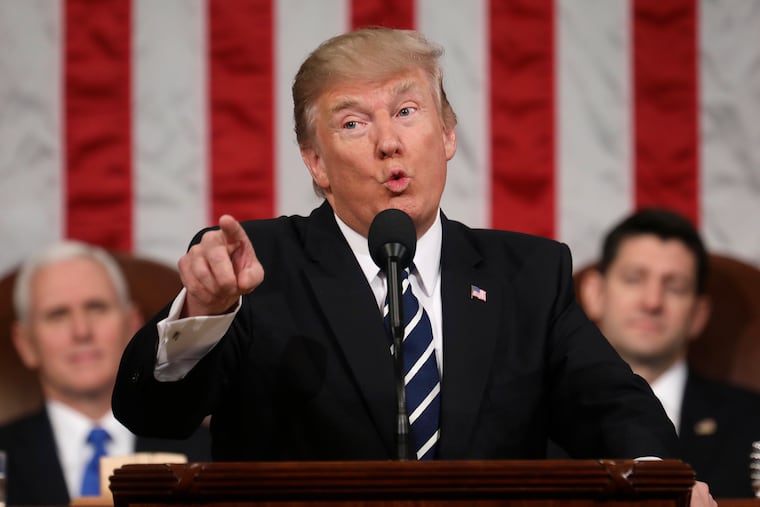
Proposal to Rename New Jersey Public School After Donald J. Trump Sparks Controversy
The recent proposal in Colts Neck, New Jersey, regarding the renaming of a public school after former President Donald Trump has ignited a local debate that mirrors a national conversation about the legacies worthy of commemoration in public education. This discussion raises fundamental questions about the values that public schools seek to uphold and celebrate, highlighting the profound significance of a school’s name within a community.
School names carry substantial weight; they appear on report cards, diplomas, and athletic uniforms, becoming integral to the identities of the institutions themselves. Thus, the process of choosing names extends beyond mere semantics. It represents what the community desires to communicate about its ethos and priorities to future generations.
Public schools cater to families diverse in politics, beliefs, and cultures, making the selection of a living political figure as a school’s namesake potentially contentious. Such decisions risk transforming educational environments into arenas of political contention rather than centers of inclusive civic education. It is within this context that many communities have chosen to honor figures whose contributions reflect widely accepted ideals—namely those exemplifying public service, bravery, and the quest for equality.
For example, figures from the Civil Rights Movement can serve as potent inspirations for students. Leaders like the Rev. Jesse Jackson, who recently passed away, promoted substantive democratic ideals such as voting rights and civic participation across socioeconomic and racial divides. The legacy of such individuals underscores the value of collective engagement and represents a vision for democracy that transcends political affiliations.
The ongoing debate in Colts Neck centers on the proposed renaming of the Conover Road Primary School, reflecting a broader reassessment of public institutions nationwide. Many communities are increasingly questioning the historical context of school names and exploring narratives associated with them. Some are opting to distance themselves from individuals linked to historically painful events, while others seek to honor figures who championed education, community inclusivity, and democratic involvement.
In this process, communities face an essential question: Do the names they choose foster unity or division? The underlying aim of public education is to cultivate an environment where students from diverse backgrounds can learn the principles of citizenship and social responsibility. Consequently, the names associated with schools should reinforce these educational missions.
The discussions taking place in Colts Neck serve as a microcosm of the challenges faced by communities throughout the United States. The names bestowed upon our public institutions reflect not only historical narratives but also our aspirations for a more inclusive society. Opting for names that emphasize civic engagement, equality, and service could yield a powerful message of unity for future generations. This ongoing inquiry into whom we choose to honor highlights the vital role public education plays in shaping societal values and building a shared future.


