Cherry Hill Hindu temple receives approval for significant expansion, featuring increased height, new classrooms, a gym, and additional facilities.
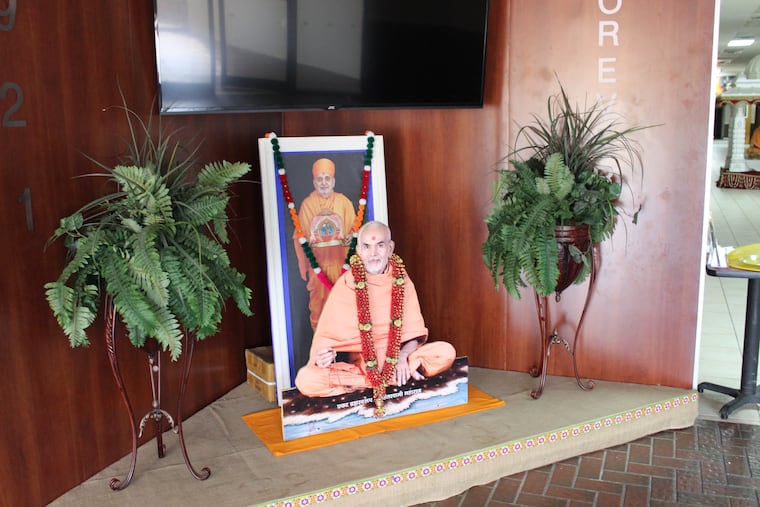
BAPS Shri Swaminarayan Mandir, a prominent Hindu temple situated on the eastern border of Cherry Hill, New Jersey, is gearing up for a significant expansion. Recently, the Cherry Hill Township Zoning Board approved site plans that will facilitate an 18,330-square-foot enhancement of the temple’s facilities. This approval came after a lengthy 4.5-hour meeting, marking a crucial step forward in a process that has been in the works for more than a year.
The proposed expansion aims to transform the temple’s external appearance while introducing essential amenities. Plans include a new gym, lobby, prayer hall, improved classrooms for Sunday school, and an increase in parking capacity to accommodate more visitors. Historically, the current building, which formerly served as a warehouse, maintains a utilitarian aesthetic that does not reflect its religious significance.
The BAPS organization, an international Hindu nonprofit that operates more than 100 temples across the United States—including eight in New Jersey—first acquired this property in 2002. At that time, a zoning variance was granted to allow conversion from an industrial space into a place of worship. The temple is actively managed by BAPS Cherry Hill, a limited liability company.
Plans for the new design include three distinctive shikharas, which are tall spires reaching heights of 58 feet, embodying traditional Hindu architectural styles. The proposed renovations are not merely structural but also operational. Currently, activities including youth classes and community gatherings are conducted in adaptable spaces, such as a dining hall or the converted loading dock. The new facilities will provide dedicated classrooms and a gymnasium, allowing for a more functional layout.
Community responses to the expansion have been mixed. While several residents near the temple expressed concerns about its impact on local wetlands and desired modifications to the building’s facade to minimize its proximity to residential areas, many members of the Hindu community have welcomed the changes. Supporters argue that a modernized space is necessary for a growing congregation that averages 400 to 500 worshippers on Sundays.
With the zoning board’s unanimous approval, further administrative steps are required before construction can begin. Cherry Hill Township must adopt a formal resolution to confirm the decision, which could take several weeks or months. Following this, BAPS anticipates applying for construction permits. Throughout the construction phase, the temple will remain open, minimizing disruption to its operations. As the project unfolds, BAPS representatives have assured that adjustments will be made to comply with all local regulations, particularly regarding lighting and environmental protections.
The expansion stands not only as a renewal of physical space but also as a reaffirmation of the cultural and spiritual needs of the local Hindu community, promoting a place where individuals can freely express their religious beliefs.