Young workers in the Philadelphia area express greater concern about remote work than the impact of artificial intelligence.
In the wake of the COVID-19 pandemic, the employment landscape has witnessed a significant shift toward remote and hybrid work models. This transformation has generated a complex debate regarding its implications, particularly for younger workers entering the job market. Recent insights reveal that remote work may inadvertently hinder career advancement for this demographic, as evidenced by personal accounts and academic research.
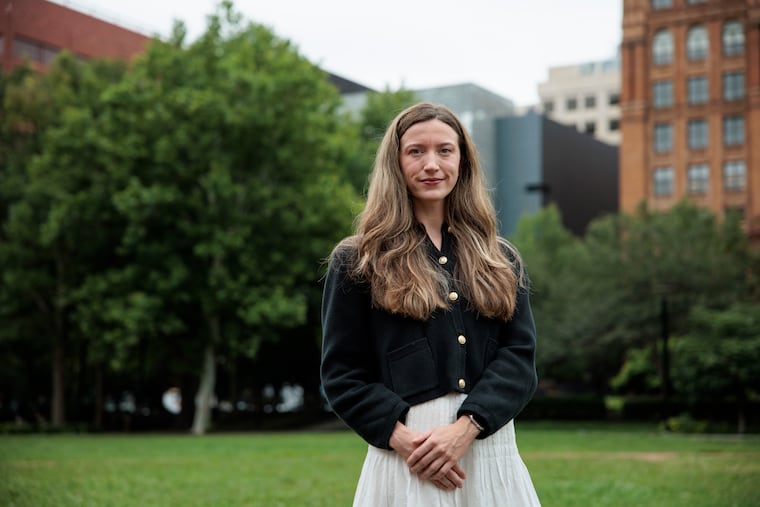
Aubrey Lee, a 27-year-old marketing professional, exemplifies the struggles faced by many recent graduates. After securing her first job remotely and facing a layoff within five months, Lee sought positions that required in-office attendance. She reports feeling more like a mere “face on a Teams screen” rather than an integrated team member. Lee’s experience reflects a broader sentiment among young professionals, with many noting that working remotely early in their careers can limit networking opportunities and professional growth.
Research indicates that remote work arrangements can exacerbate feelings of isolation and hinder social interactions, leading to detrimental effects on mental health, especially among individuals living alone. A recent study highlights that many young workers have faced challenges in securing jobs as a direct consequence of the shift to remote work. Economists have noted that approximately 64% of the rise in unemployment among young college graduates can be attributed to the prevalence of remote employment.
As the labor market continues to adapt, nuances within the discourse around remote work are emerging. While established professionals may benefit from the flexibility of remote arrangements, younger workers often find themselves at a disadvantage due to fewer opportunities for mentorship and in-person collaboration. Academic research also suggests that feedback, a critical component of professional development, decreases significantly for remote workers, further stunting the growth of early-career employees.
Despite these challenges, remote work presents advantages for certain groups, including individuals with disabilities, caregivers, and those seeking to balance personal and professional obligations. However, the ongoing debate reveals a divided landscape, with many companies advocating for a return to traditional office environments as a means of fostering collaboration and innovation.
The statistics paint a mixed picture: while 26% of workdays in the United States are now conducted remotely—up from 7% before the pandemic but down from peak levels—there remains a sustained desire among some employees for flexible work options. The hybrid work model, which combines remote and in-office requirements, appears to be gaining traction as a potential compromise.
Ultimately, the path ahead for remote work and its implications for young professionals is still being defined. Employers and employees alike are grappling with these evolving dynamics, navigating the balance between flexibility and the essential need for human connection in the workplace. The ongoing dialogue will likely shape the future of work as it evolves to meet the needs of a diverse workforce in a post-pandemic world.