Russian Airstrikes Target Food Warehouses in Ukraine, Raising Concerns About Potential Food Shortages
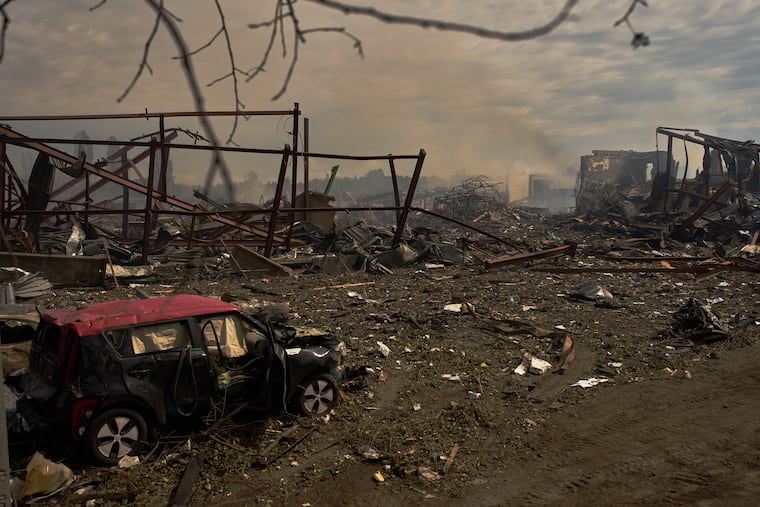
Russian airstrikes targeting civilian infrastructure in Ukraine have intensified in recent weeks, leading to the destruction of shopping centers and food distribution warehouses, heightening concerns about potential food shortages and rising prices. As supermarkets in major cities like Kyiv grapple with supply challenges, the situation has sparked fears among residents regarding the availability of essential goods.
In a significant shift in tactics, Russian forces have recently escalated their focus on civilian targets, aiming for shopping malls and other retail establishments following Ukrainian drone strikes that damaged important e-commerce facilities in Russia. This change in strategy reflects the ongoing destruction of logistical networks essential for maintaining daily life in Ukrainian cities.
Among the initial casualties of these attacks were two significant distribution centers belonging to Silpo, a notable Ukrainian supermarket chain, as well as a primary logistics hub for the Novus supermarket operator in Kyiv. The resultant destruction has led to empty shelves, particularly for fresh produce and dairy items, such as yogurt and cheese, prompting concerns about the stability of food supplies.
The frequency of such assaults has escalated, with recent waves targeting more warehouses surrounding Kyiv, leading to questions about how long grocery retailers can sustain stock levels. In an effort to mitigate perceived scarcity, some stores have opted to fill empty spaces with alternative products like kombucha. The government has refrained from issuing official alerts, aiming to prevent widespread panic among the populace.
Despite the ongoing disruptions, supermarket chains have openly communicated the potential for temporary shortages. Silpo has acknowledged delays in the delivery of certain goods. Agriculture Minister Taras Vysotskyi stated that approximately 90% of food logistics operated by retail chains have been severely impacted, although he reassured the public that complete food scarcity is unlikely. Vysotskyi emphasized that there is no imminent threat of famine or systematic physical shortages of food.
As Ukrainians navigate these challenges, many residents are displaying resilience. For instance, some individuals continue to rely on local farmers’ markets, ensuring access to necessary food supplies. Certain items, particularly locally produced goods that do not require extensive warehousing, remain available, although constraints exist for more shelf-stable products.
The conflict has also witnessed devastating violence beyond food supply disruptions. A recent attack in Myla, a village near Kyiv, resulted in the deaths of 38 people after a Russian drone strike hit an ammunition depot. The incident not only caused significant civilian casualties but also sparked renewed debates about the proximity of military infrastructure to populated areas, with President Volodymyr Zelensky urging accountability for such reckless deployments.
The strikes have led to an increased military focus on the safety of ammunition and weapons storage facilities, with the Defense Ministry announcing an audit in response to the Myla tragedy. This ongoing crisis underscores the broader implications of the conflict, as Russian strikes have continued to target retail and logistics hubs throughout Ukraine, exacerbating fears and challenges faced by the civilian population.
As the situation evolves, the international community is closely monitoring the humanitarian impacts of these escalations, with implications for both local populations and broader regional stability remaining a pressing concern.