U.S. boat strikes have resulted in over 200 fatalities.
In recent days, the U.S. military’s extensive campaign against alleged drug traffickers in South America has resulted in the deaths of over 200 individuals. The strikes, predominantly carried out in the eastern Pacific, have intensified in frequency, with the military reporting at least 60 separate attacks targeting boats purportedly engaged in narcotrafficking operations. This alarming escalation, ordered by General Francis Donovan, the head of Southern Command, reflects a focused effort to combat drug smuggling in the region.
Official statements indicate that the most recent operation resulted in the deaths of three men, contributing to an overall casualty number that now exceeds 202 since the onset of this offensive. However, concerns about the legality and ethical implications of these strikes have been raised by numerous legal experts. Many assert that the U.S. military is prohibited from intentionally targeting civilians, even if they are suspected of criminal activity, unless a credible threat is present. Additionally, there is skepticism regarding the efficacy of such military action, with experts noting no substantial evidence indicating a reduction in the flow of cocaine from South America to the United States.
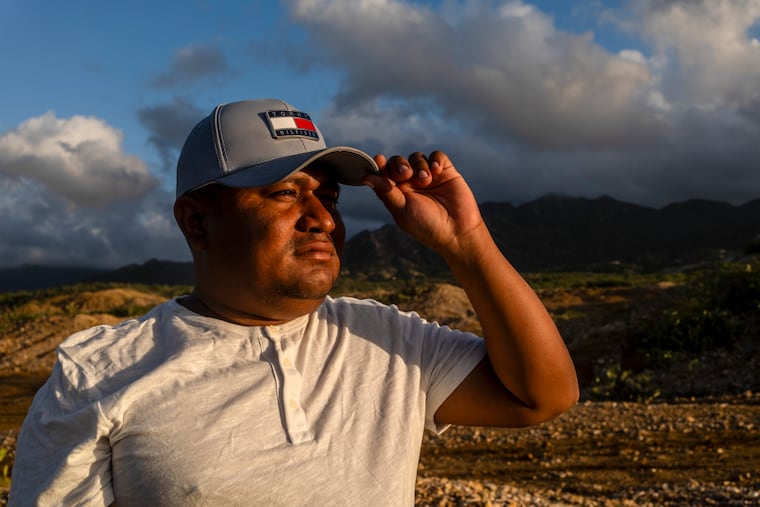
Beyond the stark statistics of casualties, the ramifications of these military operations extend deeply into local communities in Colombia and Ecuador. Residents in coastal areas, where many of the targeted boats originate, are grappling with the loss of not only family members but also their livelihoods. Fishermen find themselves in precarious situations, with their vessels often indistinguishable from those used for drug trafficking. Many have begun to abandon fishing altogether due to heightened fears of military strikes.
In towns along the Ecuadorian coast, individuals have recounted a pervasive atmosphere of fear stemming from the bombing campaign. Reports indicate that some fishermen, seeking additional income during lean fishing seasons, have occasionally participated in trafficking activities, blurring the lines between legitimate fishing and illegal drug transport. This complicates relationships within those communities, as local fishermen feel pressured by both traffickers and military actions.
Political leaders in the region are responding differently to the U.S. military’s actions. While Ecuador’s government has historically supported the campaign, Colombia’s leftist president, Gustavo Petro, has openly criticized it, labeling the strikes as acts of murder. Following one particularly controversial strike that reportedly killed a Colombian fisherman, Petro suspended intelligence-sharing agreements with the U.S. military.
The operations have gained momentum recently, with increased deployment of sophisticated military resources, including MQ-9 Reaper drones, leading to a notable rise in the frequency of strikes. As military officials continue to assert the strategic necessity of these operations, the broader impacts on local communities remain painfully evident, with many individuals transitioning from fishing to alternative livelihoods as they seek to navigate the dangerous dynamics of their environment.
Overall, as the campaign against drug trafficking evolves, the intersection of military strategy and its human toll has raised critical questions about accountability and the legitimate scope of U.S. intervention in the region.