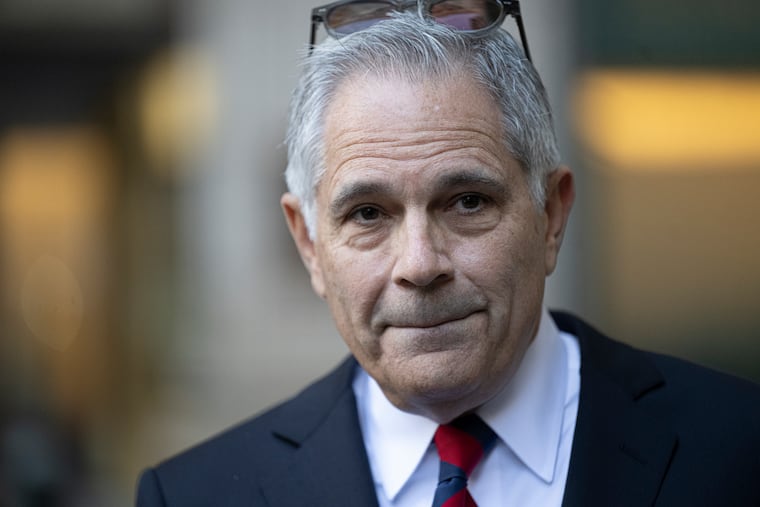
Larry Krasner’s office faces trial led by its own prosecutors in a significant legal challenge.
In a dramatic and crowded hearing at the U.S. District Court presided over by Judge Paul S. Diamond, questions surrounding the integrity of the Philadelphia District Attorney’s Office emerged. The courtroom, filled with a substantial number of attorneys, including those representing other legal professionals, highlighted the high stakes of the proceedings. An overflow room was even required to accommodate the public interest in the case regarding the post-conviction hearing for Dennis Johnson, convicted of second-degree murder in the 2007 shooting of a man at a North Philadelphia convenience store.
The hearing was part of Philadelphia District Attorney Larry Krasner’s efforts to vacate Johnson’s conviction. The day unfolded not just as a pivotal moment for Johnson but illuminated deeper issues within Krasner’s administration. Federal courts have previously disbarred and suspended personnel in Krasner’s office for misconduct, leading the Pennsylvania Supreme Court to appoint the state Attorney General to supervise any future conviction reversals initiated by the district attorney’s office, indicating a significant lack of trust.
Inside the courtroom, the three prosecutors who testified provided alarming evidence of internal strife within the DA’s office, detailing how Krasner’s insistence on maintaining control over cases often overshadowed the pursuit of justice. The witnesses implicated Krasner in an obsessive effort to shield his office from accountability, citing instances of coercive behavior and paranoia.
Notably, they recounted how correspondence and communication with Krasner frequently bypassed official channels, creating a culture of secrecy and mismanagement. One prosecutor recalled Krasner’s avoidance of his official email, noting a clear preference for informal meetings, which led to a lack of documented communication.
Tensions escalated when prosecutors suggested that oversight from the Attorney General’s office was critical to ensuring a fair evaluation of Johnson’s case. However, Krasner resisted this recommendation, indicating a desire to retain control and manage the fallout personally.
The testimony further revealed tumult within the office’s ranks following conflicts about the handling of Johnson’s case. Multiple internal memos and communications indicated serious managerial flaws, with accusations of an orchestrated cover-up to preserve the DA’s reputation.
In a broader context, the atmosphere of crisis within the office is reminiscent of past scandals in government accountability, with Judge Diamond indicating potential legal ramifications for those involved, including severe allegations like perjury and obstruction of justice.
The hearing is anticipated to continue, with significant implications for both Johnson’s fate and Krasner’s leadership moving forward. As public scrutiny mounts, the examination of systemic issues within the Philadelphia District Attorney’s Office suggests a critical moment in the ongoing dialogue regarding justice and accountability in the legal system.
Media News Source