While some stop reading, others begin new literary journeys.
In recent years, conversations surrounding the state of reading in America have prompted reflection and concern. As a society grapples with a notable decline in reading habits, a counter-narrative suggests a more nuanced reality. The current discourse, notably spurred by an article published by the Atlantic, points to a worrying trend—evidence suggests that fewer individuals are engaging with literature in comparison to past decades. Yet, this decline lays the foundation for an intriguing revelation: among Americans, 20% who identify as readers are consuming a disproportionate share of literature, accounting for over 80% of all books read.
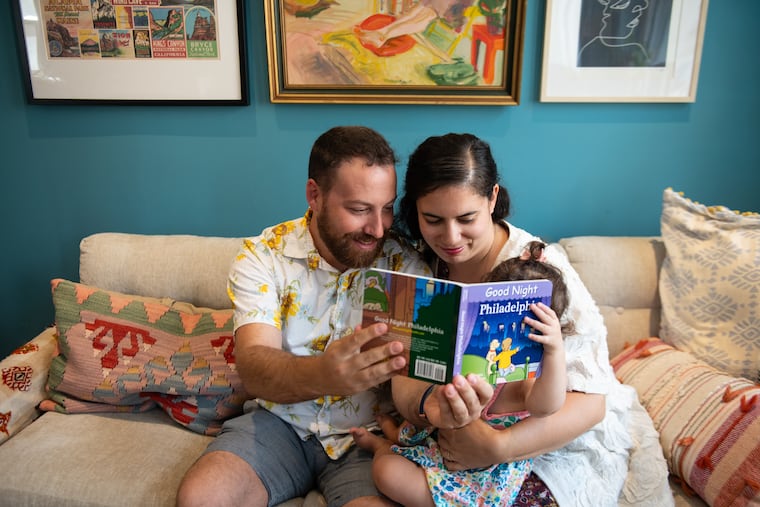
While the statistics indicate that a retreat from mainstream reading may be occurring, they also highlight a distinct group—passionate readers who dive deeply into the material. This demographic, often referred to as “deep readers,” engages in literature with a level of commitment that was perhaps less prevalent in the broader reading culture. Scholars, such as Leah Price from Rutgers University, argue that reading has evolved into a niche hobby, akin to activities like stamp collecting. Notably, those invested in this pastime often dedicate more time to reading than did previous generations.
This cultural shift presents an optimistic angle on the current landscape of reading. While it is essential to acknowledge the decline in average reading rates, it is equally vital to recognize the thriving communities forming around literature among dedicated readers. These individuals actively seek out literary gatherings, such as book clubs and reading courses, where they explore texts in a communal context.
Institutions like the Rosenbach Museum and Library exemplify this trend. The Rosenbach has seen a significant increase in demand for reading courses, with participation soaring from a handful to multiple offerings annually. This growing interest signals that even in the face of declining humanities programs in universities, individuals are eager for literary engagement as an enriching extracurricular pursuit.
Moreover, social media platforms, particularly BookTok and Bookstagram, have catalyzed new forms of literary community. These platforms serve as havens where individuals connect through shared reading experiences. As technology reshapes reading practices, it simultaneously fosters smaller, passionate communities dedicated to literature.
The evolving landscape of reading does not signal the demise of literary culture. Instead, it indicates a transformation, highlighting the emergence of dedicated groups that champion deep engagement with texts. In this shift, the task lies not in lamenting the fading days of mass reading, but in nurturing the communities that continue to thrive around literature, creating spaces for exploration and connection in a world often distracted by the noise of modern life. As history recounts figures like Walt Whitman, whose influence attracted devoted audiences, today’s literary landscape mirrors that same spirit—evolved, yet vibrant in its commitment to the art of reading.
As the future of reading takes shape, it appears that nurturing these passionate readers may be the key to sustaining a rich literary culture in America.