Chuseok Festival in Blue Bell Highlights the Global Rise of Korean Culture
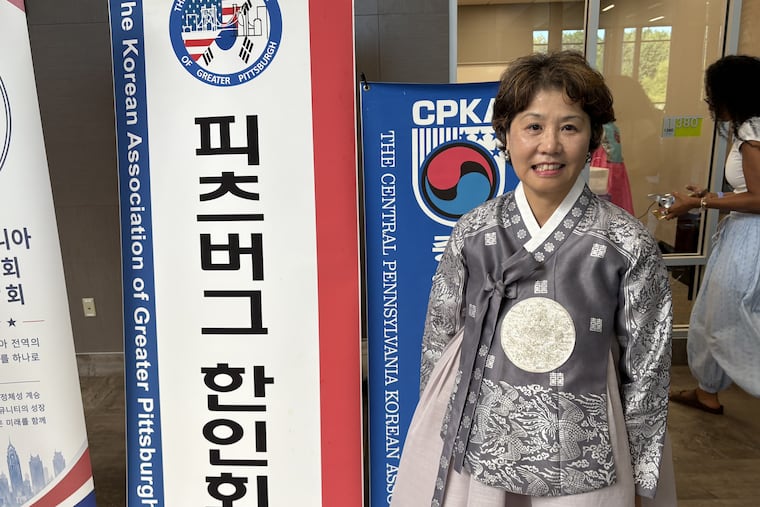
Media News Source reports that on Saturday, approximately 1,500 individuals convened at Montgomery County Community College in Blue Bell, Pennsylvania, for “Happy Chuseok Fest 2026,” a vibrant celebration of the Korean Thanksgiving known as Chuseok. This event showcased the growing impact of Korean culture in the United States, as Korean dramas, K-pop music, and traditional foods increasingly permeate American society.
Chuseok, which spans over two millennia, serves as a moment for Koreans to reflect on their ancestry, express gratitude, and honor the harvest and nature. The festival is emblematic of the significant cultural contributions made by the Korean American community, which numbers between 30,000 to 40,000 individuals in Pennsylvania. Sharon Hartz, president of the Korean Culture Community Foundation, emphasizes the importance of Chuseok, noting that it is a crucial holiday that has begun to receive recognition among broader audiences.
Festival attendees enjoyed various culinary delights, including kimchi, kimbap, bulgogi, and the globally popular fried chicken, emblematic of Korea’s burgeoning food culture. Sociologist Sam Richards from Pennsylvania State University, a noted scholar on Korean culture, remarked on the deep-rooted heritage that resonates with international audiences. He pointed to South Korea’s remarkable transformation from a nation in poverty 60 years ago to an economic powerhouse influencing global trends in music and media.
South Korean entertainment entities have successfully exported their cultural products, drawing significant American attention. The global sensation of K-pop idols like BTS and critically acclaimed films such as “Parasite” exemplify this cultural shift. Richards highlighted that the Korean government’s strategic investment in cultural exports has yielded significant results, allowing for a distinct and appealing image of the nation to permeate global consciousness.
Humble personas and collaborative presentations among South Korean entertainers further enhance the international appeal, creating an environment where artists emphasize collective success over individual fame. Nani Shin, executive director of the Philadelphia Asian American Film Foundation, noted the drastic shift in perception of Korea from obscurity in the 1970s to celebration today.
Despite the widespread popularity of Korean culture, the community remains committed to preserving and sharing their heritage, especially with younger generations. This commitment was echoed by attendees who emphasized the importance of maintaining their cultural roots within American society. The event illustrated not only the success of cultural exchange but also the desire for Korean Americans to uphold and celebrate their rich traditions in a new homeland.