Measles cases rise in Pennsylvania, prompting parents to accelerate vaccinations and steer clear of Lancaster County.
In Pennsylvania, the resurgence of measles has sparked renewed concern among parents, particularly those with young children. As the state grapples with an ongoing outbreak that has already sickened 767 individuals, including 45 children under the age of 18, families are taking precautionary measures. Tragically, the outbreak has led to four reported deaths tied to the disease, reflecting the severity of this public health crisis.
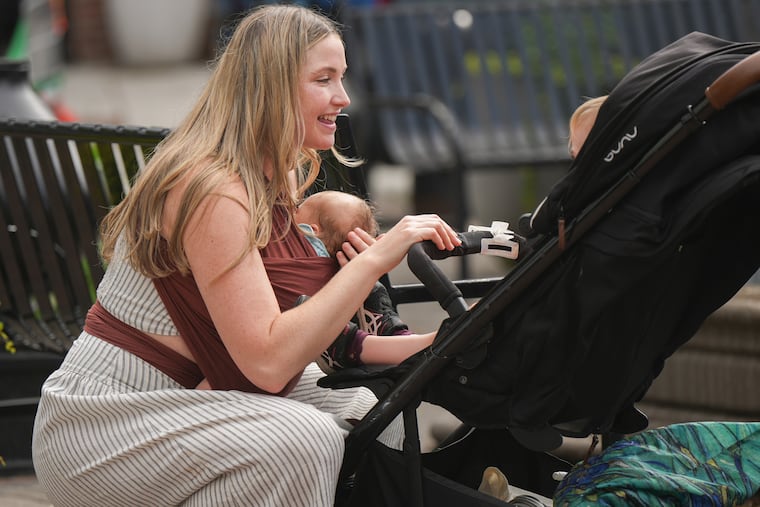
Among those affected by the outbreak is Leah Santos, a 35-year-old nurse from Springfield, Delaware County, who remains vigilant in her daily routine. Santos continues to wear a mask during her Regional Rail commute to Philadelphia and is particularly cautious regarding her one-year-old son. Following news of the outbreak in nearby Lancaster County, she began to inquire about her friends’ and family members’ recent trips to the affected area, prioritizing her child’s safety above all.
The outbreak has prompted alarmed parents to consider early vaccinations for their children, forgo daycare arrangements, and carefully weigh the risks of attending local events. Chester County has confirmed more than 65 cases this year, marking it as the Philadelphia area’s most affected county. The nature of modern life, which often involves crossing county lines for work and social activities, complicates these efforts.
Experts warn that measles poses a particularly high risk to young children, who may suffer severe complications such as pneumonia, blindness, or neurological damage. With the disease’s highly contagious nature, the Centers for Disease Control and Prevention indicates that approximately 90 percent of unvaccinated individuals exposed to the virus will contract it.
Recent data reveals that vaccination rates across Pennsylvania are lagging, with hundreds of kindergartens in Philadelphia and its suburbs failing to meet the “herd immunity” threshold of 95%. This alarming trend has left many communities vulnerable, especially as they navigate the impacts of declining vaccination rates.
To address these challenges, health officials are recommending a “dose zero” vaccination for children as young as six months in areas experiencing outbreaks. Following pediatric guidelines, the first measles, mumps, and rubella vaccine is usually administered at one year, followed by a second dose between the ages of four and six.
While some parents are choosing to delay daycare and social interactions altogether, the advice from pediatricians highlights the importance of communication with schools and childcare providers about vaccination policies. Families are encouraged to prioritize vaccinations and consider keeping children home from school when they are ill to mitigate potential exposure.
As cases of measles continue to rise across the United States, with over 3,100 individuals reported infected this year, public health experts emphasize that measles is not limited to localized outbreaks. Parents must remain vigilant and proactive, ensuring they navigate this increasingly complex landscape with informed decisions about their children’s health and safety.
As the state deals with one of the worst measles outbreaks in three decades, it is evident that the repercussions of this highly contagious disease extend beyond immediate health concerns, impacting family dynamics, childcare, and larger community interactions. The resolution lies in the collective commitment to vaccination and community health awareness, a challenge that public health officials and families must address together.