
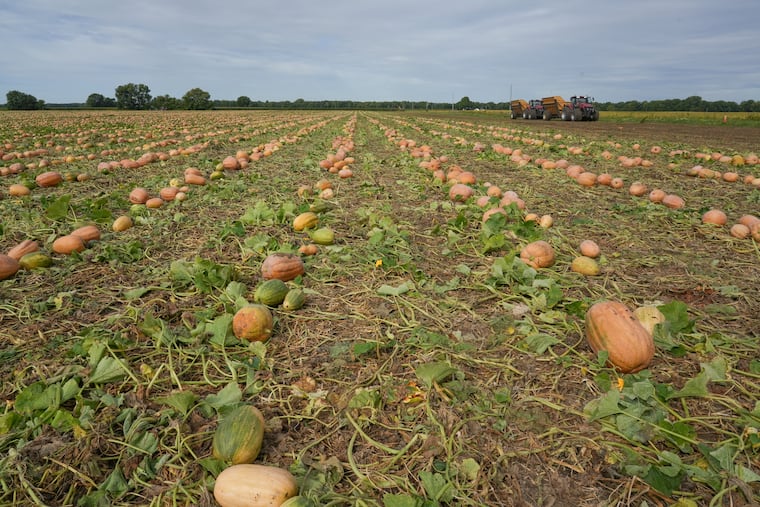
Increased Number of Products Shift to Regenerative Practices, Including Milk and Snack Foods
As consumers increasingly gravitate towards sustainable food options, regenerative agriculture has emerged as a focal point for both producers and consumers. This farming approach, which emphasizes the health of soil and ecosystems, is gaining traction among environmentally-conscious buyers and industry leaders alike. Wild Orchard Tea Co., based in Westchester, New York, has capitalized on this trend by introducing tea sourced from regenerative farms on South Korea’s Jeju Island. Initial responses from shoppers were ambivalent, but awareness and demand have surged, with consumers now actively seeking out regenerative products.
Regenerative agriculture aims not only to reduce reliance on synthetic fertilizers and pesticides but also to restore soil vitality through practices that enhance biodiversity. The Make America Healthy Again movement has played an instrumental role in promoting regenerative agriculture, with the sector now generating approximately billion in annual retail sales. Major corporations, including Nestlé, PepsiCo, General Mills, and Walmart, have committed to integrating regenerative practices into their supply chains, often aligning these goals with broader environmental, social, and governance objectives.
However, the regulatory landscape for regenerative agriculture remains murky. Unlike organic produce, which must adhere to strict USDA standards and undergo annual inspections, regenerative products are lightly regulated, allowing for considerable variability in claims. This lack of standardized procedures has raised concerns among consumers regarding the authenticity of regenerative labels, especially given that such items can often command premium prices.
The appeal of regenerative agriculture is reflected in its rapid expansion, with the category experiencing a 10% growth in retail sales over the past year, following a 22% increase the previous year. Dairy remains the largest segment, while sales of regeneratively grown produce are accelerating. Advocates argue that the environmental benefits include increased carbon sequestration and improvements to soil health through techniques such as no-till farming and strategic grazing practices.
Despite the momentum, questions linger regarding the effectiveness of regenerative practices in confronting climate change, as well as concerns about “greenwashing.” Critics caution that the movement could lose credibility if consumers are misled about the true nature of regenerative claims. Regulatory bodies have begun to respond: a 0 million pilot program launched by the U.S. Department of Agriculture is designed to support farm projects that embody regenerative practices.
As retailers like Whole Foods require certifications for regenerative claims, the market continues to evolve. Nonetheless, third-party certification programs vary greatly in their rigor, creating potential confusion among consumers. The Environmental Working Group has issued warnings about misleading regenerative labels, emphasizing that some certifications allow synthetic chemicals, thereby diluting the supposed benefits of regenerative farming.
Consumer demand for these products remains tepid, partly due to higher costs and the complexities surrounding the understanding of regenerative practices. As interest grows, industries must engage in clear marketing strategies to educate consumers on the benefits of regenerative agriculture and justify the cost associated with these products.
Efforts to increase awareness are underway, yet only about 10% of U.S. consumers currently seek out regenerative options. As this sector grows, brands must articulate a compelling narrative to foster consumer trust and enthusiasm—moving beyond mere labeling to demonstrate genuine commitment to sustainable practices and transparency.
The regenerative agriculture movement is at a pivotal moment, with potential for expansive growth, but faces challenges that must be addressed to ensure its claims hold validity in an increasingly skeptical market.


