Philadelphia invests millions to address homelessness while the future of a key shelter remains uncertain.
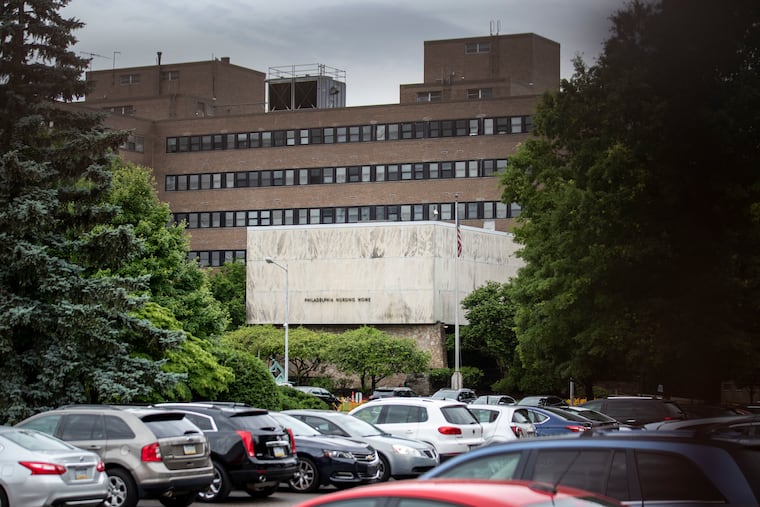
A crucial homeless shelter in Philadelphia’s Fairmount neighborhood is on the verge of uncertainty as it faces potential zoning challenges and instability concerning its lease agreement. This facility, which accommodates over 300 residents, plays a significant role in Mayor Cherelle L. Parker’s broader strategy to combat the persistent drug market in Kensington. The program, known as “Philly Home at Girard,” was initiated quietly by the Parker administration two years ago at the site of the former Philadelphia Nursing Home, located at 2100 W. Girard Ave.
This year, the administration is committed to investing millions to ensure the continued operation of the facility, which has seen over million allocated for its ongoing expenses in the current fiscal year. However, the current lease for the property, whichhas been in place for five decades, is set to expire in June, leaving the future of the facility in jeopardy. City officials have indicated that, after the lease’s expiration, the city will operate as a “holdover tenant,” with the state retaining the right to require a move-out with a six-month notice period.
Compounding these issues are land-use complications. In December, the Department of Licenses and Inspections cited the facility for operating outside its designated zoning classification. Seeking a special zoning designation could prove to be a protracted and challenging process. The implications of these developments are grave, as hundreds of individuals currently residing in the shelter may face displacement.
The facility houses a blend of traditional shelter beds and a dedicated program for individuals dealing with addiction. While not a formal drug treatment center, city representatives describe it as a “safe haven” aimed at providing stabilization for those not ready for treatment. Residents have access to medical services, mental health support, and case management.
Cheryl Hill, Director of the City’s Office of Homeless Services, emphasized the vulnerability of the shelter’s population, noting that a significant proportion are elderly and thus at a higher risk if the facility were to close. In light of rising homelessness rates, the city is actively working towards adding an additional 1,000 shelter beds, with Mayor Parker proposing an increase in the hotel tax to generate approximately million annually to support this initiative.
Should the Girard Avenue facility close, there are concerns that many residents may be forced back onto the streets. City officials are determined to prevent such outcomes and are exploring options to find alternative accommodations for those affected.
The historical context surrounding the facility reveals a tumultuous trajectory. Following the closure of the nursing home in 2022, which was attributed to financial strains exacerbated by the pandemic, the city repurposed the site as a homeless shelter. Initially, there was minimal opposition from the community. However, as the influx of residents from Kensington increased, so too did neighborhood discontent, leading to a surge of community concerns regarding quality of life issues.
Despite previous tensions, relationships between the community and the Parker administration have markedly improved over the past two years. Local leaders, including Dustin Dove from the Fairmount Civic Association, noted the city’s efforts in maintaining open lines of communication and addressing community concerns. This proactive approach has mitigated complaints and fostered a greater sense of collaboration.
As budget discussions continue, the focus remains on securing the necessary funding for the facility. The Parker administration has earmarked 1 million over a five-year period for both the Girard facility and another recovery hub. The future of the shelter hinges on city council resolutions and the ongoing negotiations regarding the lease and zoning designations.
With the potential for positive outcomes in the coming months, city officials remain optimistic that strategies will be developed to ensure the shelter’s ongoing operations, regardless of challenges related to its location.