Ukraine contests Elon Musk’s assertion that its military breached Starlink’s terms of service.
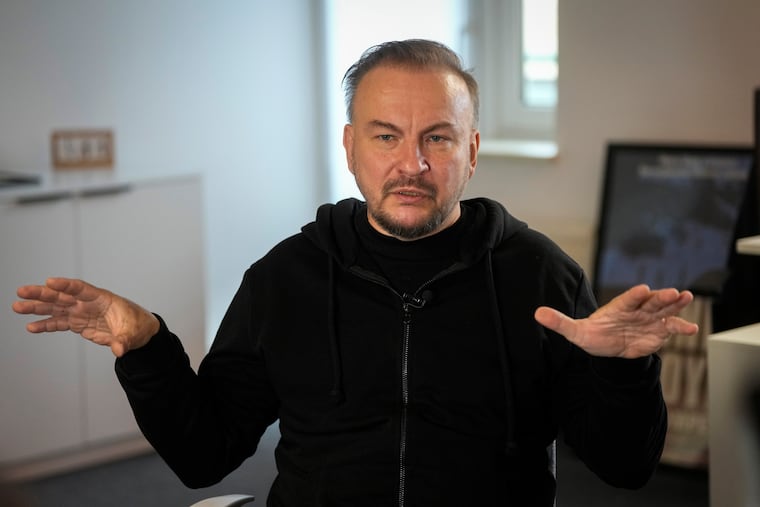
In a recent development amidst the ongoing conflict in Ukraine, Ukrainian officials have strongly rebutted statements made by SpaceX CEO Elon Musk regarding the use of the Starlink satellite internet network. Musk had claimed that Ukraine’s military had contravened the terms of service of Starlink by utilizing the platform for offensive drone strikes. In response, Serhii Beskrestnov, a defense technology adviser to President Volodymyr Zelensky, emphasized that specific restrictions associated with the civilian version of Starlink have made offensive operations unfeasible.
Beskrestnov conveyed his astonishment regarding Musk’s apparent lack of awareness of Starlink’s operational limitations within Ukraine. He noted that drones operating on Starlink were subject to speed constraints ranging from 43 to 56 miles per hour, which further prohibited them from engaging target areas in Russia. According to Beskrestnov, this situation effectively limits the capability to carry out deep or medium-range strikes, dispelling any notion that the civilians could leverage Starlink in combat scenarios.
The functionality of SpaceX’s Starlink and its military-oriented Starshield service is deemed crucial for Ukraine’s communication, particularly under the duress of regular air assaults by Russian forces. Recently, Ukrainian drones that relied on Starshield connectivity suffered disruptions at high velocities, which raised questions about the authority behind such interruptions. Following military pushback, Starlink’s access was restored after executive decisions lifted certain operational restrictions.
Musk had previously indicated that the throttling of Starlink service in Ukraine was a preventive measure against its misuse for offensive maneuvers. He reiterated that the U.S. government held sway over any alterations regarding Starshield, indicating the complexity of international defense support intertwined with private sector technologies.
This contention is set against the backdrop of a renewed U.S. diplomatic initiative aimed at ending the protracted conflict, with indications of forthcoming tri-party negotiations including representatives from Ukraine and Russia. Meanwhile, President Zelensky highlighted a marked escalation in Russian hostilities, detailing a surge in drone attacks and bombings that have targeted various Ukrainian locales.
As tensions simmer, casualties continue to mount. Recent reports indicated fatalities in regions including Dnipropetrovsk and Vinnytsia, where civilian infrastructure and lives have been irreparably affected. Additionally, cross-border violence persists, with reported fatalities and injuries in Russian cities, underscoring the broader implications of the conflict as it transcends national borders and affects civilian populations on both sides.
The situation remains fluid and reflects the ongoing challenges facing military operations and humanitarian efforts, as both Ukraine and Russia navigate the realities of warfare in the modern age. The broader international community observes closely, with potential ramifications for diplomatic relations and military alliances emerging from these developments.