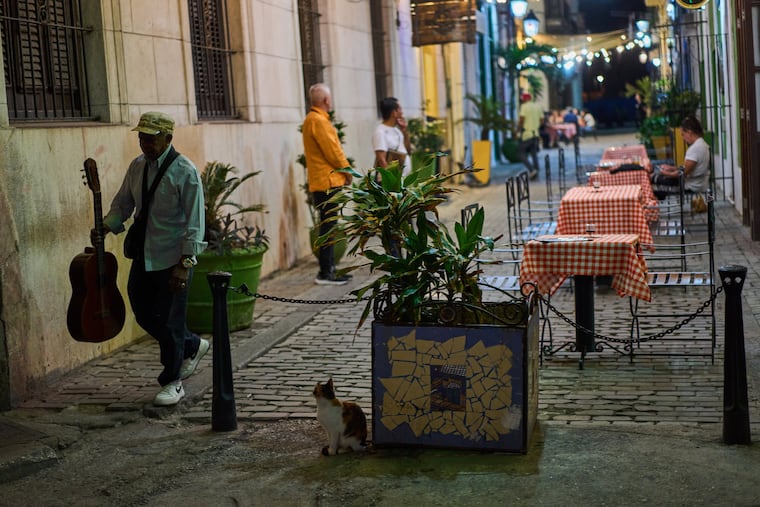
Cuba’s energy blockade disrupts Havana’s nightlife, leading to significant changes in the city’s social and entertainment scene.
Havana, once a vibrant hub of nightlife and entertainment, now finds itself eerily quiet as it grapples with the ramifications of an economic crisis and a stringent oil embargo. The streets, which were once bustling with activity, are now largely deserted at night. Theaters have closed their doors, while bars and cafés have drawn their curtains, effectively stifling the buoyant atmosphere that once defined this capital city.
This decline can be traced back to policies implemented during the latter part of Donald Trump’s presidency, which included tightening economic sanctions against Cuba. The embargo has led to a choked economy, compounded by the most profound economic downturn the island has faced in decades. Many residents have expressed their frustration and sadness over the changing environment. Yusleydi Blanco, a local accountant, articulated the sentiment shared by many when observing the emptiness of her once lively streets.
Historically, Cuba saw an influx of tourism following a thaw in relations with the United States during the Obama administration. In 2016, new travel regulations led to a surge in visitors, enabling a small cadre of entrepreneurs to flourish as private businesses emerged. During 2018 alone, Cuba welcomed a record 4.7 million tourists, and accommodations became so scarce that some travelers resorted to sleeping in parks.
Currently, however, tourists are a rare sight. Reports indicate that fuel is severely restricted, with gasoline sales capped at five gallons per vehicle, leading to extensive wait times at gas stations. Buses cease operations by 6 PM, and international airlines have halted flights to Havana due to difficulties in refueling.
Official figures reveal that tourist arrivals dropped sharply in February, plummeting from 178,000 to just 77,600 over the same month, underscoring the severity of the situation. Dolores de la Caridad Méndez, a parking attendant with memories of the hardships faced during the post-Soviet era, remarked on the current conditions, referring to them as “worse than the Special Period” — a time marked by significant economic strife.
The ongoing crisis has especially strained the livelihoods of business owners and entrepreneurs, spurring many young, talented Cubans, including musicians and artists, to leave their homeland. As daily life becomes increasingly arduous due to food shortages, high prices, and a deteriorating state-run ration system, the resilience of the Cuban people is being tested more than ever.
As the economic landscape continues to shift, those who once hoped to build a future in the thriving tourism market now face uncertainty. Business owners, like Yeni Pérez, who runs a café in Old Havana, convey a mix of determination and despair as they confront stark realities, expressing hopes for a better tomorrow amid overwhelming challenges. The situation in Havana serves as a poignant illustration of the profound complexities facing Cuba in the wake of changing political and economic tides.
Media News Source.