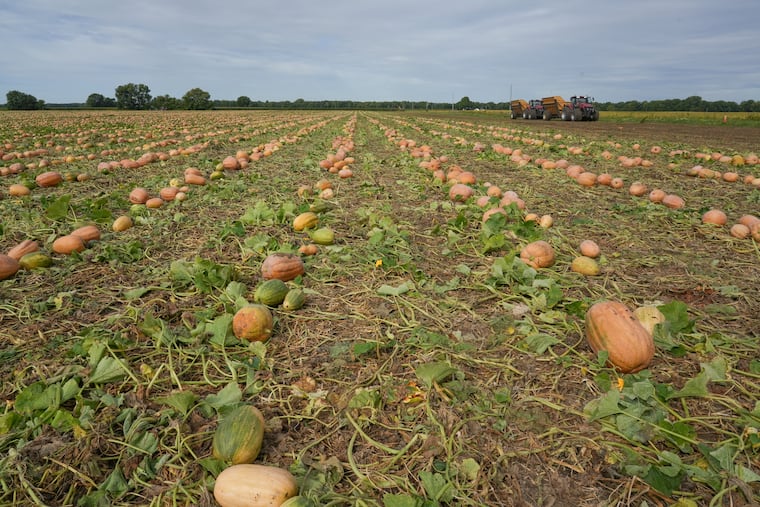
More food products, including milk and snacks, are adopting regenerative practices for sustainability.
The rise of regenerative agriculture is significantly altering the landscape of the food industry, garnering increasing attention from consumers and businesses alike. As more individuals become health-conscious and environmentally aware, regenerative farming practices, particularly those utilized on farms in regions like South Korea’s Jeju Island, are experiencing a surge in popularity. This shift can be largely attributed to movements such as Make America Healthy Again (MAHA) and an industry push towards sustainable practices.
Regenerative farming emphasizes enhancing soil health through reduced pesticide use and minimal plowing, promoting biodiversity and sustainable farming methods. This approach has gained traction, with estimates suggesting that regenerative products now contribute around billion annually to retail sales. Major corporations, including Nestlé, PepsiCo, and Walmart, have committed to adopting regenerative agricultural practices, often as part of broader environmental, social, and governance strategies. Additionally, the U.S. Department of Agriculture has introduced a 0 million pilot program aimed at supporting regenerative projects across various farms.
However, the term “regenerative” is currently only lightly regulated within the United States, unlike organic farming, which must adhere to stringent federal standards and undergo regular inspections. This lack of standardization means that the regenerative label can be applied to products with little verification, raising concerns about the potential for consumer misinformation and confusion, especially regarding the price premium associated with regenerative goods.
Experts and advocates in the field are seeking to clarify the meaning behind regenerative claims. Notably, organizations like Regenerative Organic Certified (ROC) are striving to establish more comprehensive guidelines and certification processes to ensure that products genuinely reflect their claims. Data suggests that ROC-labeled products have witnessed faster growth in sales compared to those certified organic or fair trade, emphasizing a consumer desire for accountability in what they purchase.
Despite the growing popularity of regenerative agriculture, skepticism remains, particularly around the authenticity of the claims made by various producers. Many consumers, like those in the Washington D.C. area, are increasingly concerned about “greenwashing,” where products are marketed as environmentally friendly without substantial evidence. This scrutiny comes amid warnings from organizations like the Environmental Working Group, emphasizing that misleading labels could dilute the momentum for genuine regenerative practices.
Despite the challenges faced by regenerative agriculture—including higher initial costs and a lack of consumer familiarity—it is experiencing unprecedented growth. Retail data reveals a substantial increase in sales within the category, with some products, such as dairy and regeneratively grown produce, leading the charge.
As awareness of regenerative agriculture evolves, industry leaders recognize the need to convey the compelling narratives behind these products to gain consumer trust. To ensure future success, stakeholders must prioritize transparency and education, helping consumers understand the benefits of regenerative practices beyond just a catchy label.
In conclusion, the burgeoning sector of regenerative agriculture represents both an opportunity and a challenge for the food industry. As the movement matures, establishing rigorous standards and consumer confidence will be crucial in transforming agricultural practices and fulfilling their environmental promises. For now, the landscape remains a dynamic interplay of innovation, skepticism, and potential growth opportunities.
Media News Source.